Which social media niches actually work? It depends on the platform. A niche that flies on Pinterest can die on TikTok, and the other way around. Pick wrong and you’re posting into the void: no likes, no shares, no comments.
Getting traffic is the hard part for almost everyone. In a HubSpot survey, 24% of businesses said generating traffic and leads was their top marketing challenge (according to HubSpot). A lot of that comes down to the niche. You put months into a topic, and then you find out it’s oversaturated or that nobody on that platform cares about it. Frustrating, right?
So I’ll go platform by platform: YouTube, Instagram, Pinterest, Facebook and TikTok. For each one you get the four best and the four worst niches for social media, with a real account as an example and the reasons behind every pick. Where I give search volumes, I measured them with Google Ads data for the US in October 2026, so you can see how much demand each niche really has. If you came here looking for the best niches for social media marketing, or you manage accounts for clients and want to know which niche to specialize in, that’s covered too.
One quick note before we start. People also search for “niche social media sites”, meaning small networks built around one interest. That’s a different thing, and I explain it in the next section.
- What is a Social Media Niche?
- Why Niche Down? Unlock the Power of Focus
- 1. Targeted Audience to Laser-Focus Your Message
- 2. Less Competition to Stand Out in the Crowd
- 3. Greater Engagement to Foster a Community
- 4. Enhanced Brand Identity to Shape Your Unique Story
- 5. Efficient Resource Use to Maximize Your Marketing Spend
- 6. Higher Conversion Rates to Turn Followers into Customers
- The Impact of Choosing Right (or Wrong)
- The List of Social Media Niches
- Pro tip: How Do I handle several platforms efficiently?
- Wrapping It Up: Your Social Media Niche Guide
*Disclosure: I only recommend products I would use myself, and all opinions expressed here are my own. This post may contain affiliate links that at no additional cost to you, I may earn a small commission.
What is a Social Media Niche?

Why do some accounts get a loyal following while others barely get noticed? Most of the time, the answer is the niche.
A social media niche is the specific topic and audience your account is built around. It sits where what you post meets what a defined group of people already cares about. Think of it as your corner of the platform, the place where you’re not one more face in the crowd. (Niche social media sites are something else: whole networks for one interest, like Strava for runners and cyclists, Goodreads for readers, Letterboxd for film fans or Behance and Dribbble for designers. This article is about picking a niche inside the big platforms.)
Take the vegan food blogger @veggiekins. Her niche is plant-based recipes, so she’s a source for vegan food lovers, not one more general food account.
Her followers aren’t just “into food”. They want plant-based options, so every recipe and tip she shares fits their lifestyle and their values.
That focus is what sets her apart. Among thousands of food bloggers, she’s the account you go to for vegan cooking.
So nailing your social media niche is more than picking a category. You match your voice and your content to what one defined audience needs and wants.
Why Niche Down? Unlock the Power of Focus
Thinking of casting a wide net on social media? Hold that thought. Niche marketing is usually the faster route. Here’s why focusing on one specific niche pays off:
When you niche down, you talk to one group of people. If you’re in fitness, “yoga for people over 40” gets a lot more attention from the right people than “exercise”.
Before you commit, check what that group searches for and complains about. Google Trends is free and good enough to see if interest is growing or fading.
In a smaller niche you can become the go-to account much faster. You stop being one voice among thousands and become the voice for that topic.
A niche audience is smaller, but it’s far more active. These followers comment, share and recommend you to friends who have the same interest.
Talk to them. Run polls, ask questions in your captions and reply to comments. That’s how a following turns into a community.
A niche also gives you a personality. An account about sustainable fashion, for example, quickly becomes known for that point of view.
Keep the look consistent too. A free Canva template for your posts and covers makes your content recognizable in the feed at a glance.
With a well-defined audience, every dollar and every hour you spend goes further. You aren’t spreading yourself thin across people who’ll never care.
McKinsey found that personalization at scale can reduce your advertising costs by 50%, mostly because the targeting is tighter.
In a niche market, your content answers the exact needs of your audience. That relevance is what turns followers into customers.
Glossier is the classic example. The brand grew out of a beauty blog and its community before it sold a single product.
One more thing. Your niche shouldn’t only be what you’re passionate about. It should also be a topic where you can add something others don’t, like a fingerprint nobody else has.
The Impact of Choosing Right (or Wrong)
Choosing a niche on social media is a bit like walking a tightrope. Get it right and you grow; get it wrong and it’s a long fall. Here’s what each side looks like:
Look at Lush Cosmetics. They focused on handmade, cruelty-free beauty products and built a niche that environmentally conscious buyers identify with.
The point is value. If your account is about eco-friendly beauty, you aren’t only selling: you answer questions, teach people what to look for and earn their trust.
Pro Tip: Check your numbers every week in Google Analytics or Facebook Insights. You’ll see which posts your niche audience responds to, and you can do more of those.
A generic approach feels safe. It isn’t. Without a niche, your message gets lost in the noise, drowned out by thousands of accounts saying the same thing.
Stat Alert: According to a survey by CoSchedule, marketers who plan their campaigns are 356% more likely to report success. You can’t plan well without a clear niche.
Look at your competitors before you start. Tools like SEMrush or Ahrefs show you what already works (and what doesn’t) in your niche, so you don’t end up with yet another generic account.
Pick the right social media niche and people start to see you as the reference. Pick the wrong one and nobody sees your posts at all.

The List of Social Media Niches
Social media niches don’t travel well. Every platform has its own rules, and what works on one can flop on the next, so let’s take them one at a time, starting with YouTube.
YouTube Niches
YouTube has room for almost any topic, but some niches are much better bets than others. Here’s my take on the four best and four worst niches on YouTube, each with an example channel.
The Best:
Here are some of the best YouTube niches:
1. Educational Content (e.g., Kurzgesagt – In a Nutshell)
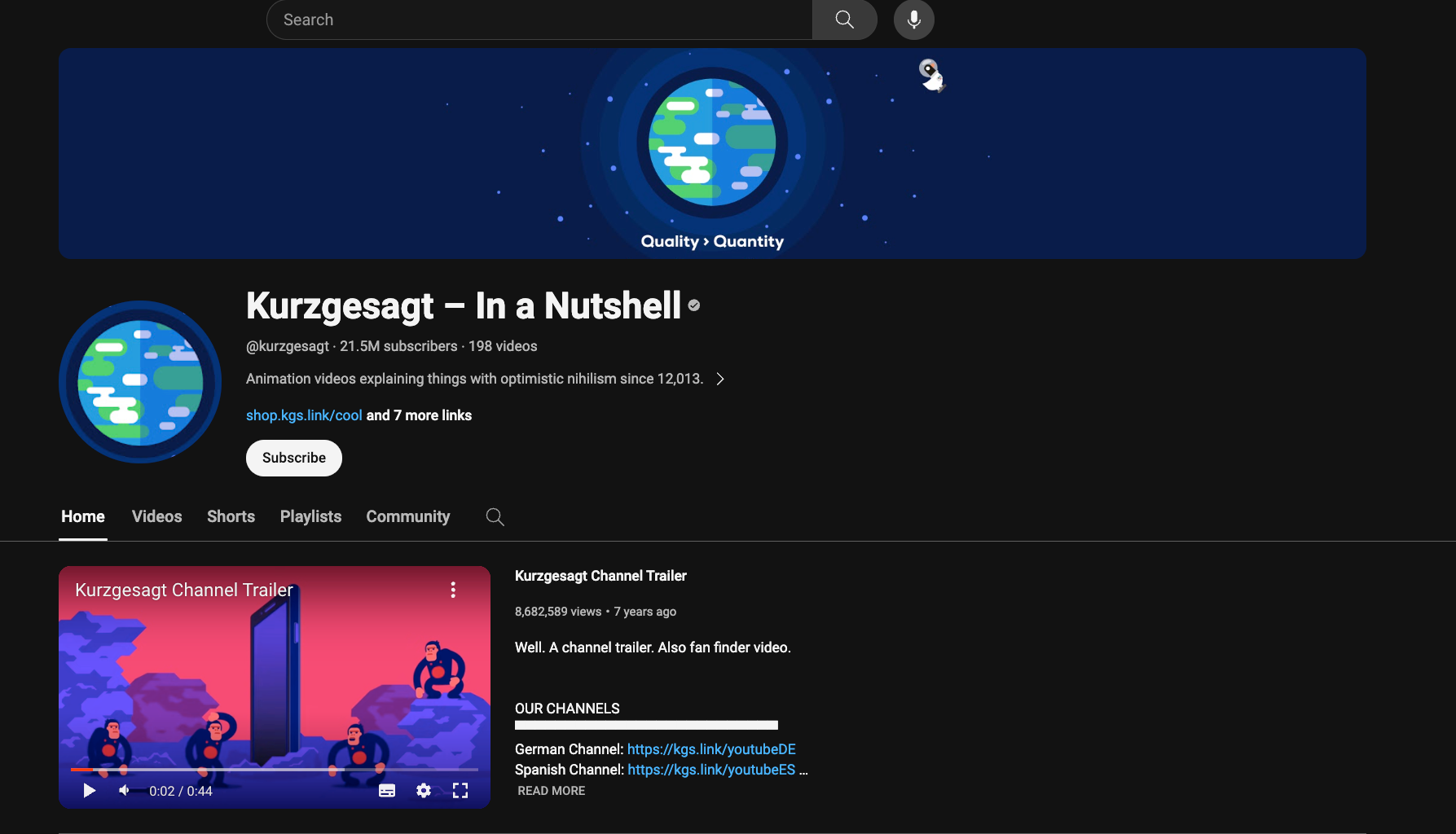
Videos that teach something keep working for years. People come back because every video gives them something useful.
Why It’s the Best?
Viewers return to channels that explain things well, so retention is high. Education appeals to every age group, it opens doors to partnerships with schools and brands, and a good explainer stays relevant for years, which means traffic long after you publish it.
2. Tech Reviews (e.g., Marques Brownlee)
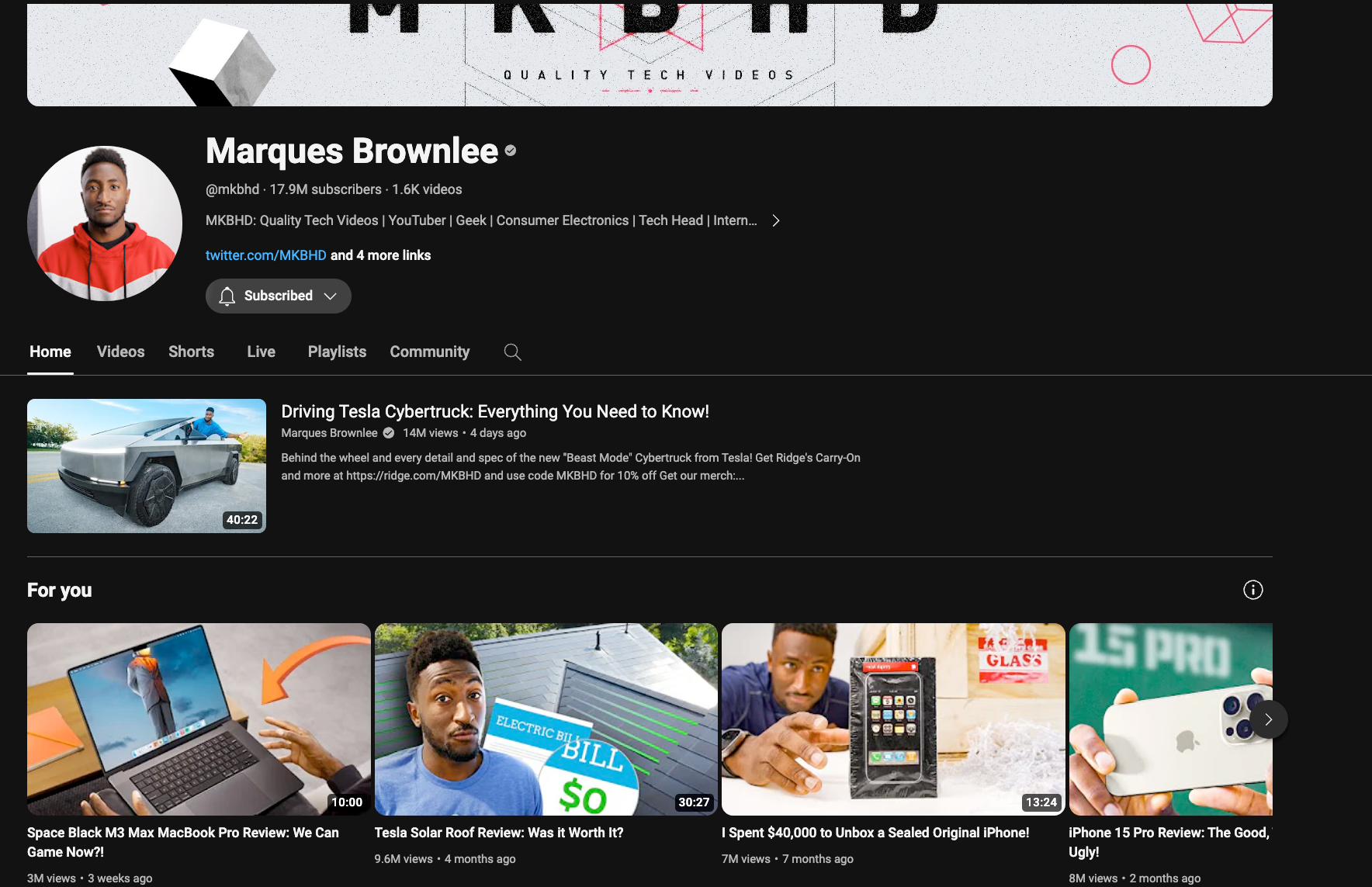
Tech never stops changing, so there’s always an audience hungry for the next gadget review. According to Google Ads data for the US (October 2026), “tech reviews” alone gets about 1,000 searches a month.
Why It’s the Best?
Every new launch gives you a new video. Affiliate links make it easy to earn from each review, tech fans love to argue in the comments, and once the channel grows, the brands start sending products and sponsorships.
3. Health and Fitness (e.g., FitnessBlender)
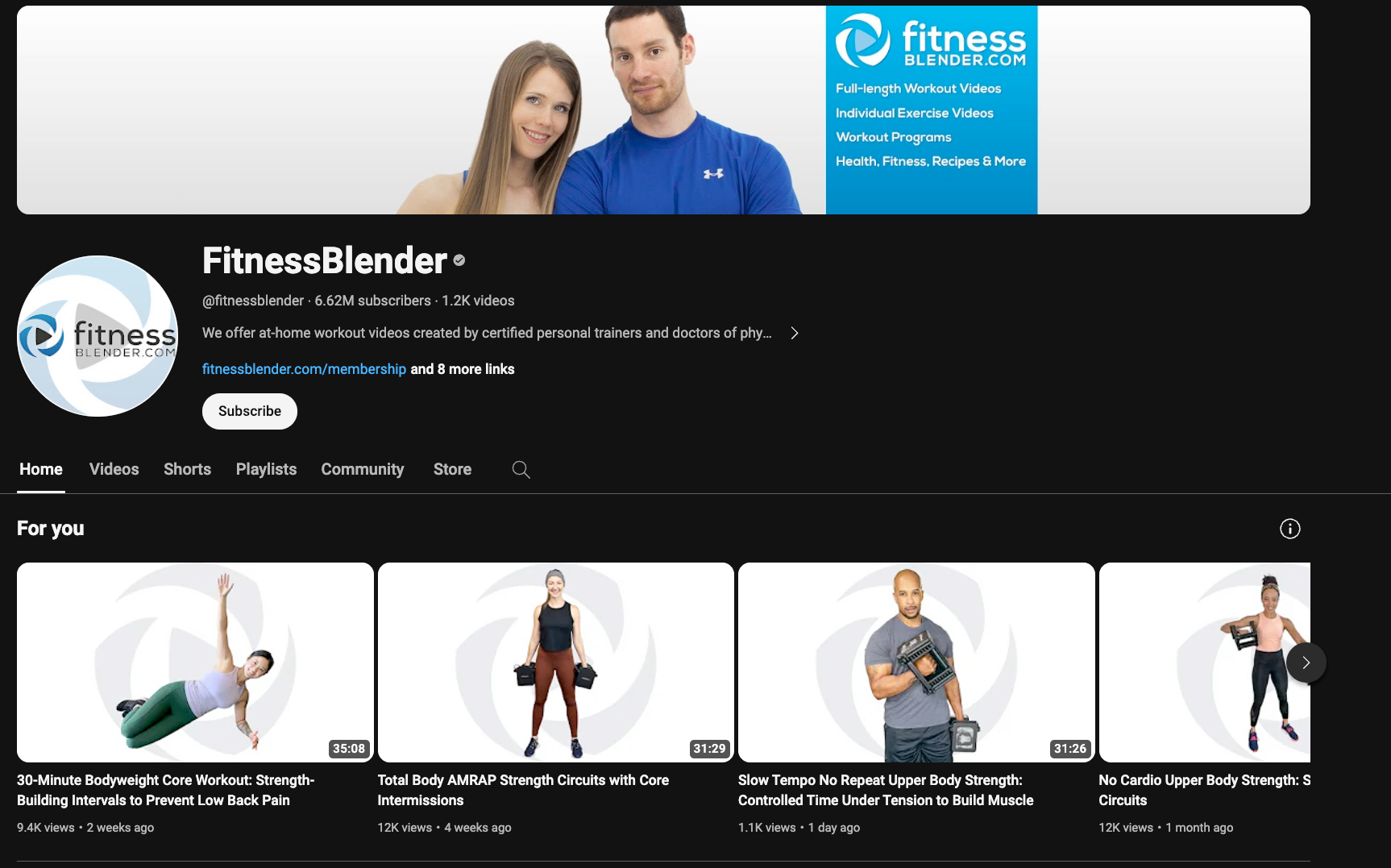
More and more people use YouTube for workout routines, fitness tips and health advice. It’s evergreen, and it keeps viewers engaged.
Why It’s the Best?
Interest in fitness and wellness keeps growing. You can cover workouts, nutrition, recovery or gear, and followers who are on a fitness journey stick around and cheer each other on. Health and fitness brands are always looking for creators to partner with.
4. Travel Vlogging (e.g., Nomadic Matt)
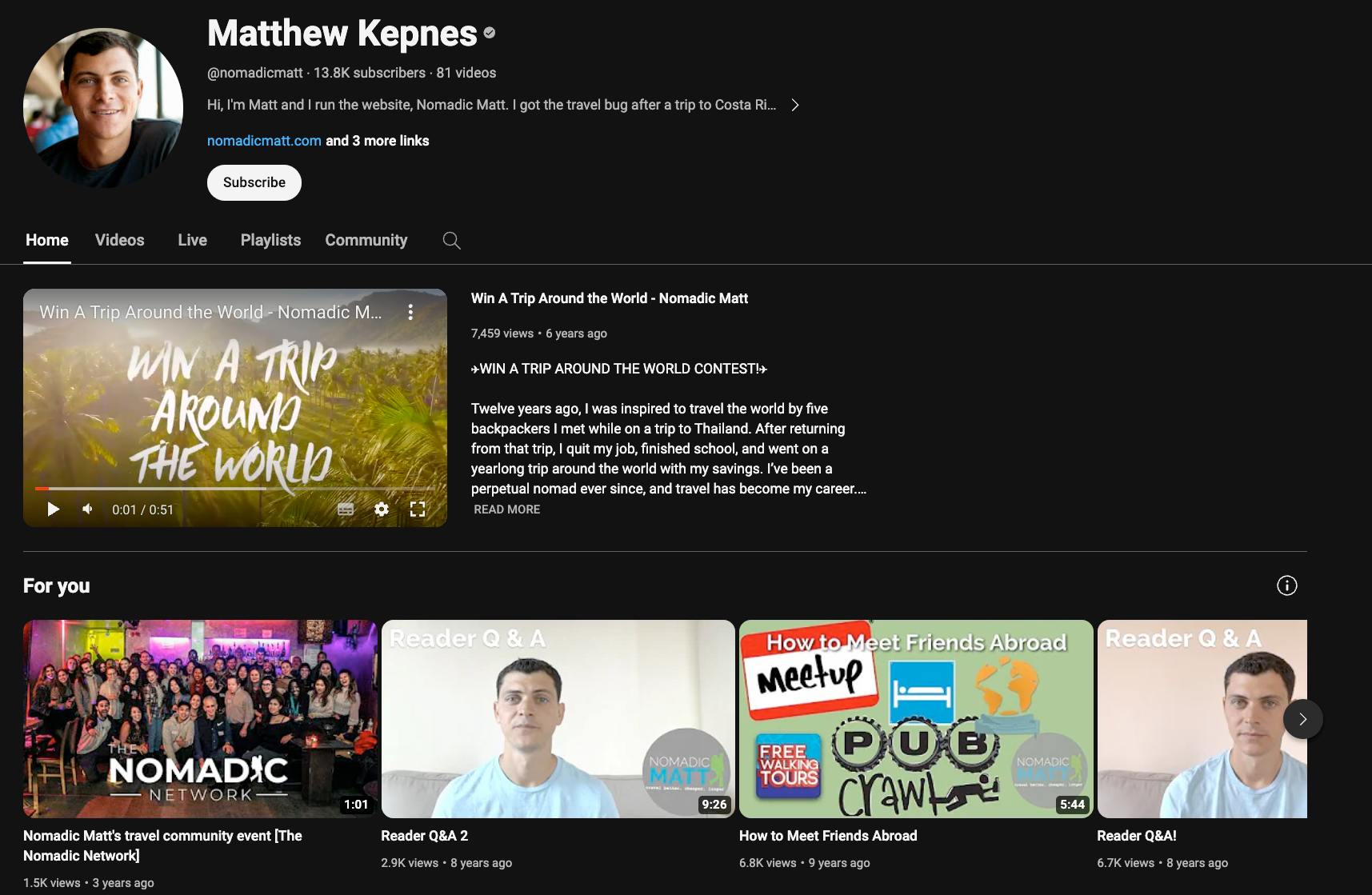
Who doesn’t like to travel through someone else’s camera? Travel vlogs mix escapism with practical tips, and they attract a wide range of viewers. In the US, “travel vlog” gets around 1,300 searches a month (Google Ads data, October 2026).
Why It’s the Best?
Travel looks good on screen almost by default. It gives viewers a break from their routine, it works for very different age groups, and there’s money in it through hotel, gear and travel-insurance deals and affiliate links.
The Worst:
And these are the ones I’d stay away from:
1. Overly Broad Lifestyle Vlogs
The lifestyle niche can be fun to watch, but when it’s too broad you can’t build a loyal audience. Jack of all trades, master of none.
Why It’s the Worst?
You don’t know who you’re talking to, so it’s hard to keep anyone. People only show up for some topics, there’s no clear identity, and broad videos rarely rank for specific searches on YouTube or Google.
2. Controversial Opinion Channels
Controversy gets clicks at first. Then the comments turn toxic, and that’s neither sustainable nor brand-friendly.
Why It’s the Worst?
Those first clicks rarely turn into loyal viewers. Advertisers and sponsors avoid you, the comment section becomes a fight, and you risk breaking YouTube’s content policies and losing monetization.
3. Rehashed Viral Content
Re-uploading or rehashing what’s already viral adds nothing. You might get some views, but there’s no originality and no staying power.
Why It’s the Worst?
You don’t offer a new angle, so the traffic dies as soon as the trend does. Viewers have no reason to subscribe, and you compete with hundreds of channels chasing the same viral clip.
4. Poorly Produced Comedy
Comedy is subjective and hard to get right. If the production is poor or the jokes miss more often than they land, viewers leave in seconds.
Why It’s the Worst?
Humor that works for one person falls flat for the next. Viewers expect good production, nobody can predict what will go viral, and comedy is one of the most crowded niches on YouTube.
The lesson from YouTube’s niches is simple: add value and own a specific space in the viewer’s head.
Instagram Niches
Now Instagram. It’s a visual platform first, built on photos, Reels and stories, and it rewards accounts with a clear look and a story to tell. That’s why the most profitable Instagram niches are the ones that look good in the grid. Some niches thrive here. Others never get off the ground.
If you’re looking for the best niche for Instagram in 2025 or 2026, these are the profitable ideas I’d consider, followed by the ones I’d skip and why.
The Best:
Here’s the list of best Instagram niches:
1. Travel and Adventure Photography (e.g., @travelandleisure)
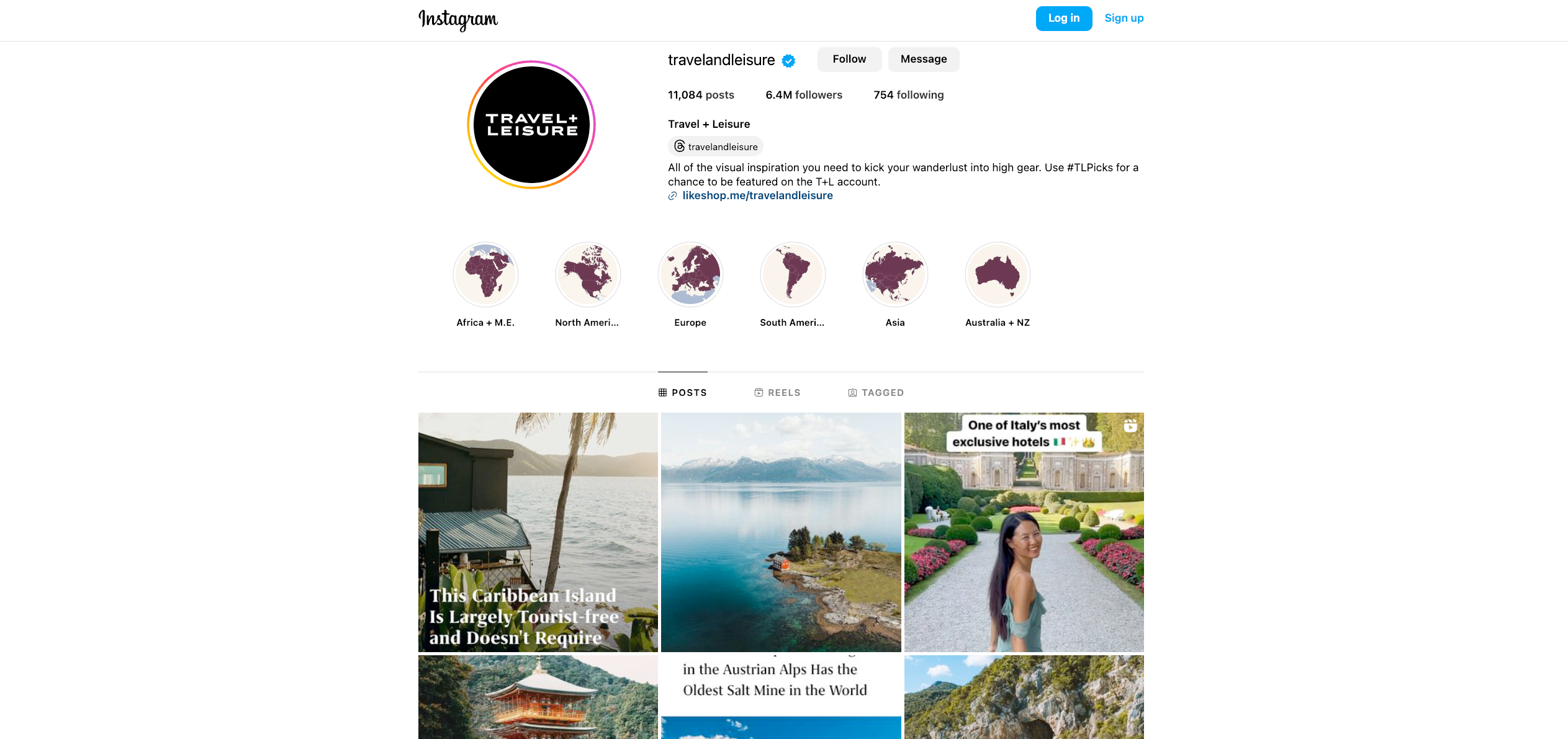
Great travel and adventure photos are exactly what people open Instagram for.
Why It’s the Best?
A stunning shot stops the scroll. Travel content appeals to a huge audience, it lets you tell a story around every trip, and it’s one of the easiest social media influencer niches to get brand collaborations and sponsored stays.
2. Fashion and Lifestyle Influencing (e.g., @modeblogg)
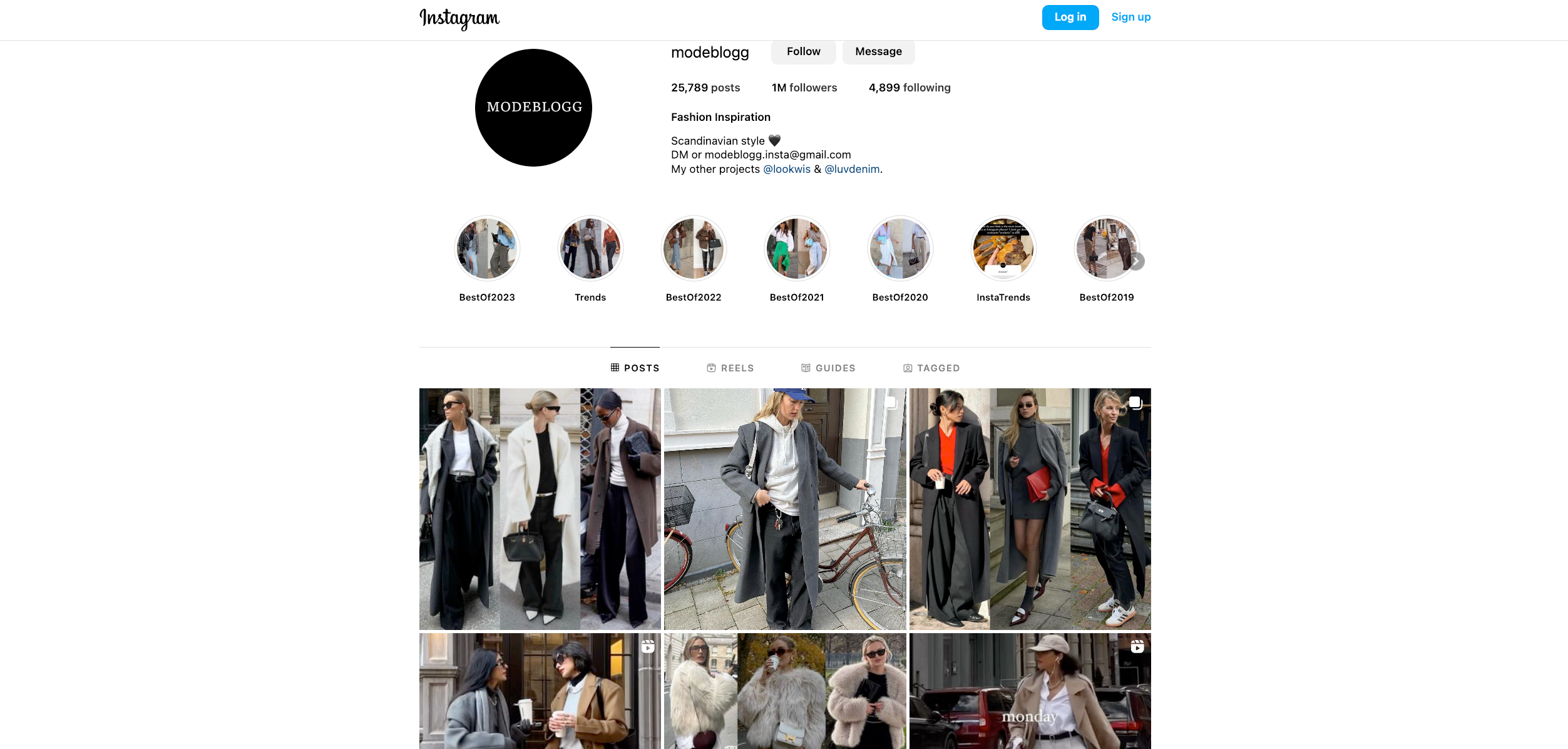
Fashion and lifestyle are the backbone of Instagram: trends, outfits and day-to-day style.
Why It’s the Best?
New trends show up here first. Personal-style posts get a lot of engagement, the format is made for this kind of content, and fashion and lifestyle brands spend heavily on creator partnerships.
3. Food Photography and Culinary Arts (e.g., @love_food)
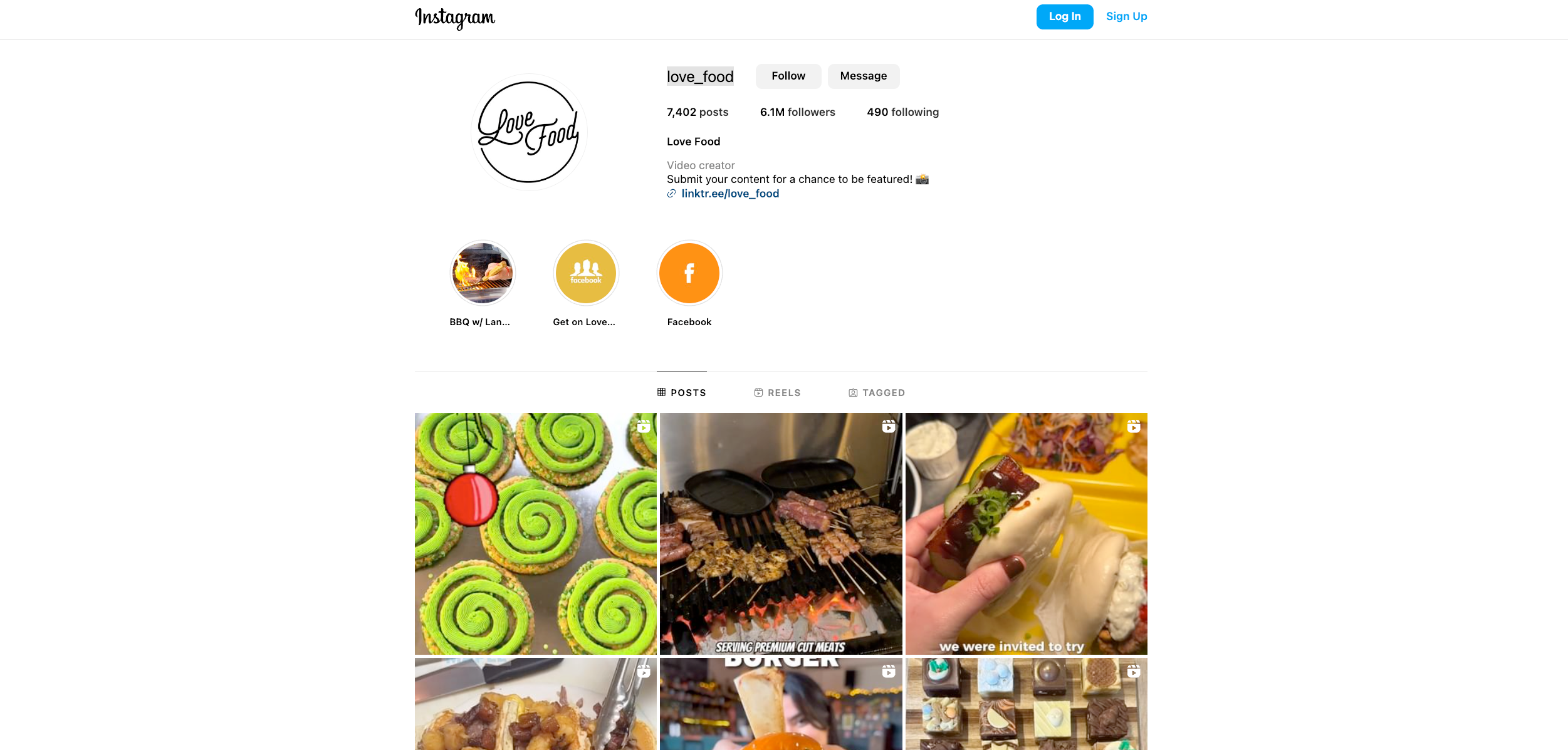
Instagram is a foodie’s paradise, and food photography and cooking are front and center.
Why It’s the Best?
Food photos get saved and shared constantly. The niche fits home cooks, chefs, restaurants and food brands, and recipes, cooking tips and local food spots give you endless ideas for posts and Reels.
4. Fitness and Wellness Journey (e.g., @muscleandfitness)
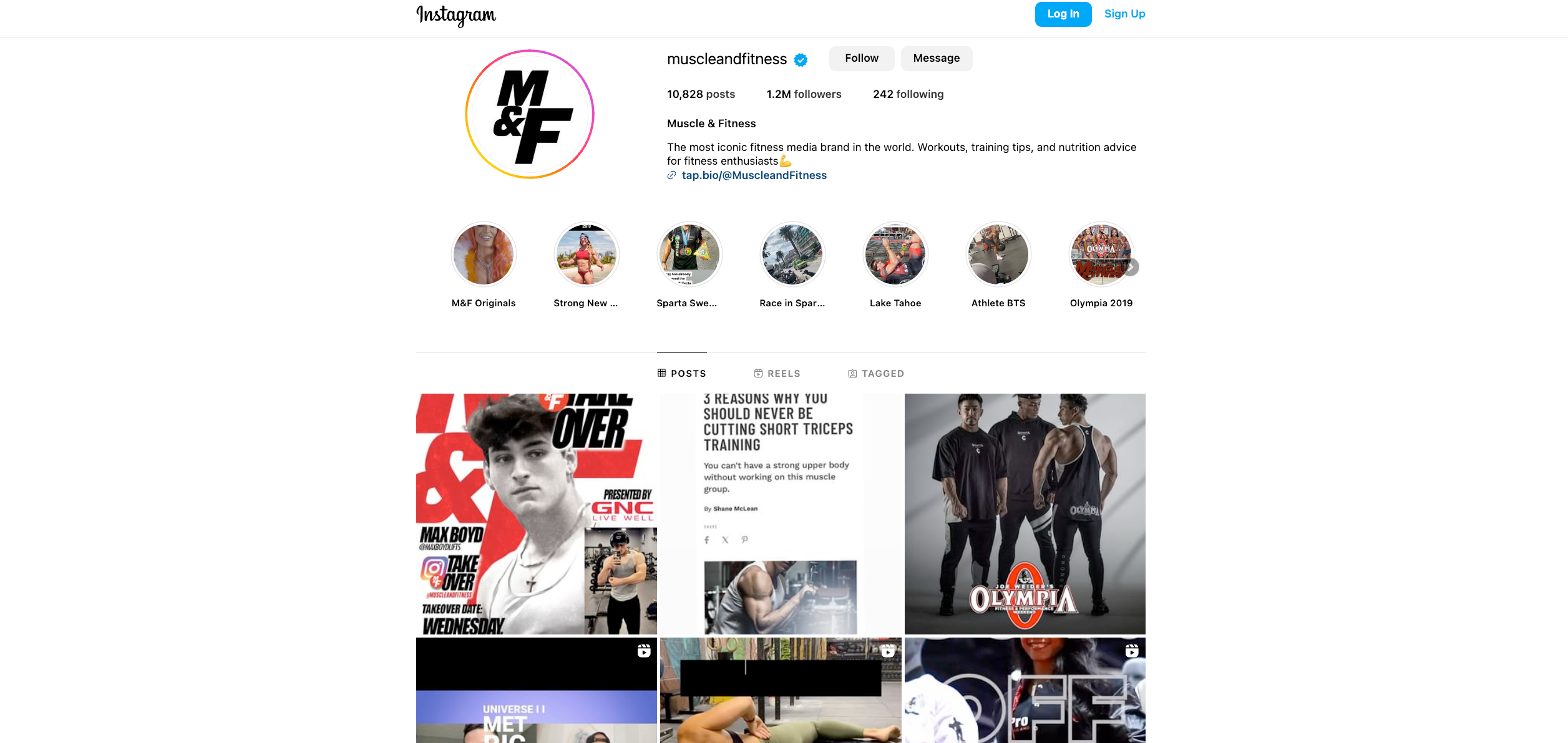
Fitness and wellness content on Instagram goes beyond workouts. The best accounts inspire real lifestyle changes.
Why It’s the Best?
Transformations and personal journeys get huge engagement. You can share workouts, wellness tips and healthy habits, your followers support each other, and fitness and wellness products need creators to promote them.
The Worst:
And these are the worst Instagram niches to avoid:
1. Overly Technical or Industrial Content
Content that’s too technical or industrial rarely works with an audience that scrolls for visuals, so it seldom grows into a successful Instagram account.
Why It’s the Worst?
It lacks the aesthetic people expect, so it gets less interaction. It also speaks to a very small group, and it’s hard to turn technical topics into something that looks good in a square.
2. Heavy Text-Based Content
Instagram isn’t made for long, text-heavy posts, so this type of content underperforms.
Why It’s the Worst?
Users want images and video, not paragraphs. Text posts get scrolled past, detailed information is hard to show in a visual way, and they’re shared far less than a good photo or Reel.
3. Political and Controversial Topics
Politics and controversial topics matter, but they clash with Instagram’s mostly lifestyle mood.
Why It’s the Worst?
They split your followers into camps. People open Instagram to relax and get inspired, the comments turn negative fast, and the algorithm tends to show this content to fewer people.
4. Hard-Sell Advertising
Hard-sell advertising feels out of place on a platform where people expect stories and authenticity.
Why It’s the Worst?
Users tune out obvious promotion. It breaks the flow of the feed, it makes the account look less genuine, and Instagram’s algorithm pushes overly promotional posts down.
So what makes a profitable Instagram niche? Content that looks great, feels genuine and gets people talking. Play to those strengths and you have a real shot at a profitable Instagram account.
Pinterest Niches
Pinterest works differently. It behaves more like a visual search engine than a social network: people come to plan a project, save ideas and act on them later. Useful and beautiful beats trendy here.
Here are the four best and four worst niches, starting with the best.
The Best:
These are the ones worth considering:
1. Home Decor and Renovation (e.g., Home & Decor SG)
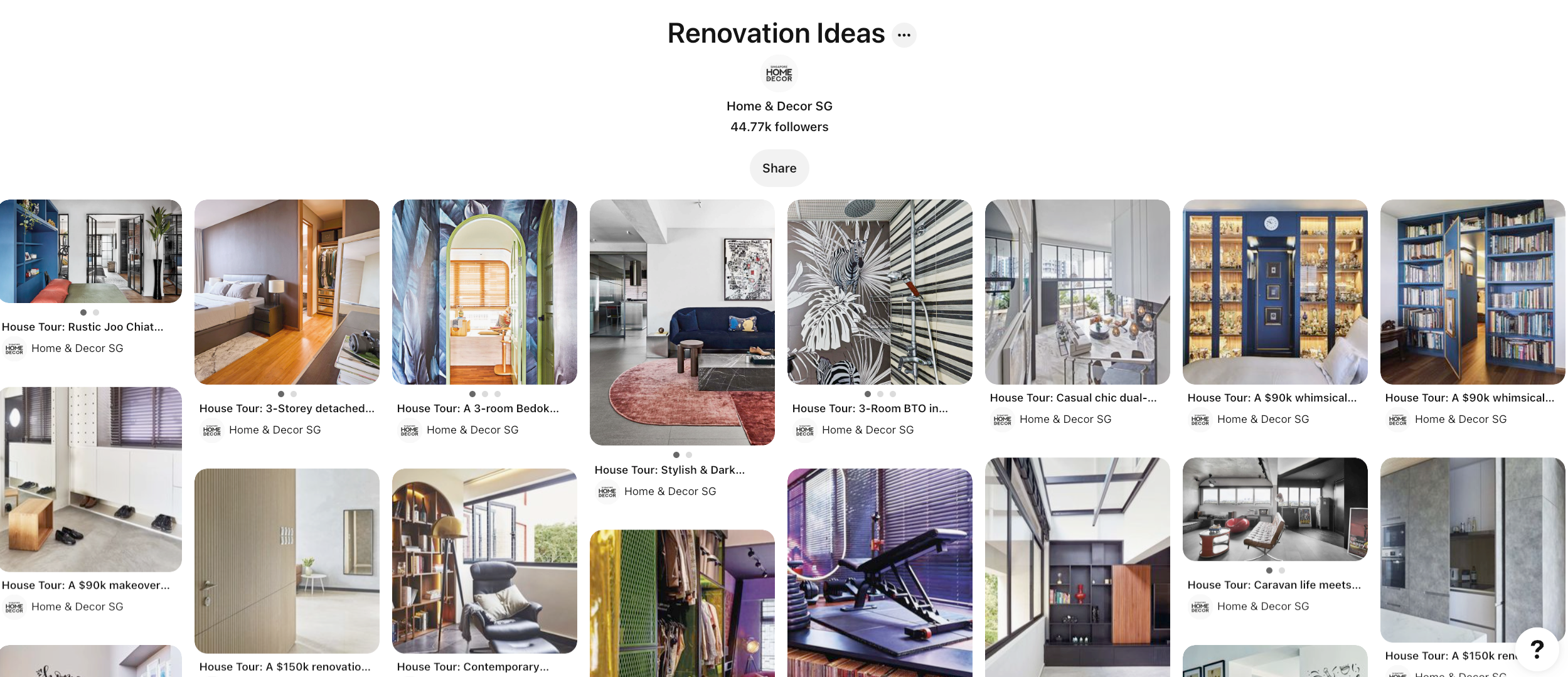
Home decor and renovation is a natural fit for Pinterest. It’s all about transforming spaces, from a cozy corner in a studio apartment to a full makeover, and it covers every taste from minimalist to over the top. According to Google Ads data for the US (October 2026), “home decor ideas” gets about 22,200 searches a month.
Why It’s the Best?
It’s visual by nature, so it fits the platform perfectly. It attracts DIY fans, professional designers and everyday homeowners, people save and revisit the pins for months, and home decor brands and retailers pay affiliate commissions.
2. Health and Wellness Recipes (e.g., Ali Williams)
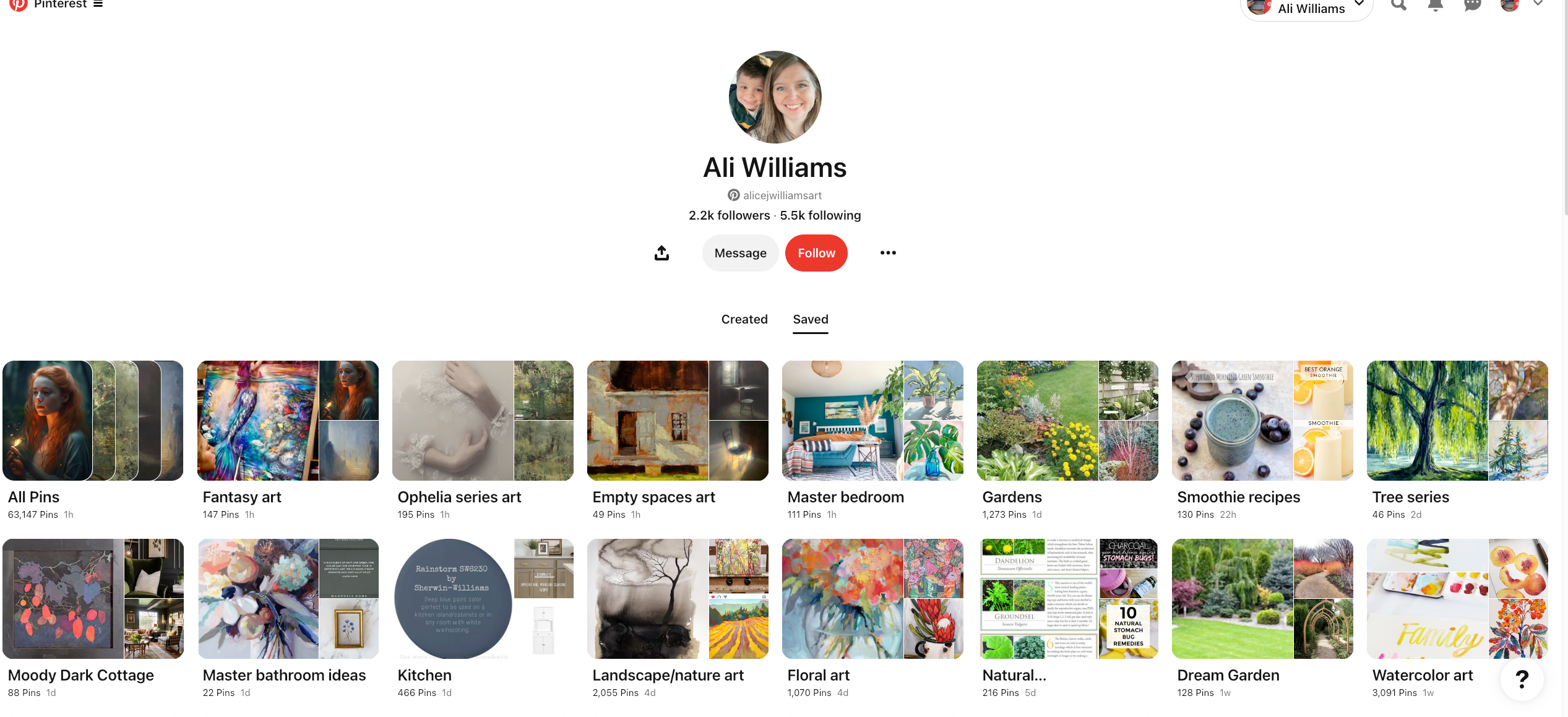
In the health and wellness recipes niche, Pinterest users find a goldmine of healthy meal ideas, from quick snacks to fitness-friendly dinners. The demand is huge: “healthy recipes” gets around 60,500 searches a month in the US (Google Ads data, October 2026).
Why It’s the Best?
It rides the trend toward healthier eating, and recipes are some of the most saved pins on the platform. Good food photos plus a recipe people can actually cook is a winning mix, and there’s room for partnerships with health and wellness niche influencers and brands.
3. DIY Crafts and Projects (e.g., Soap Deli News Blog)
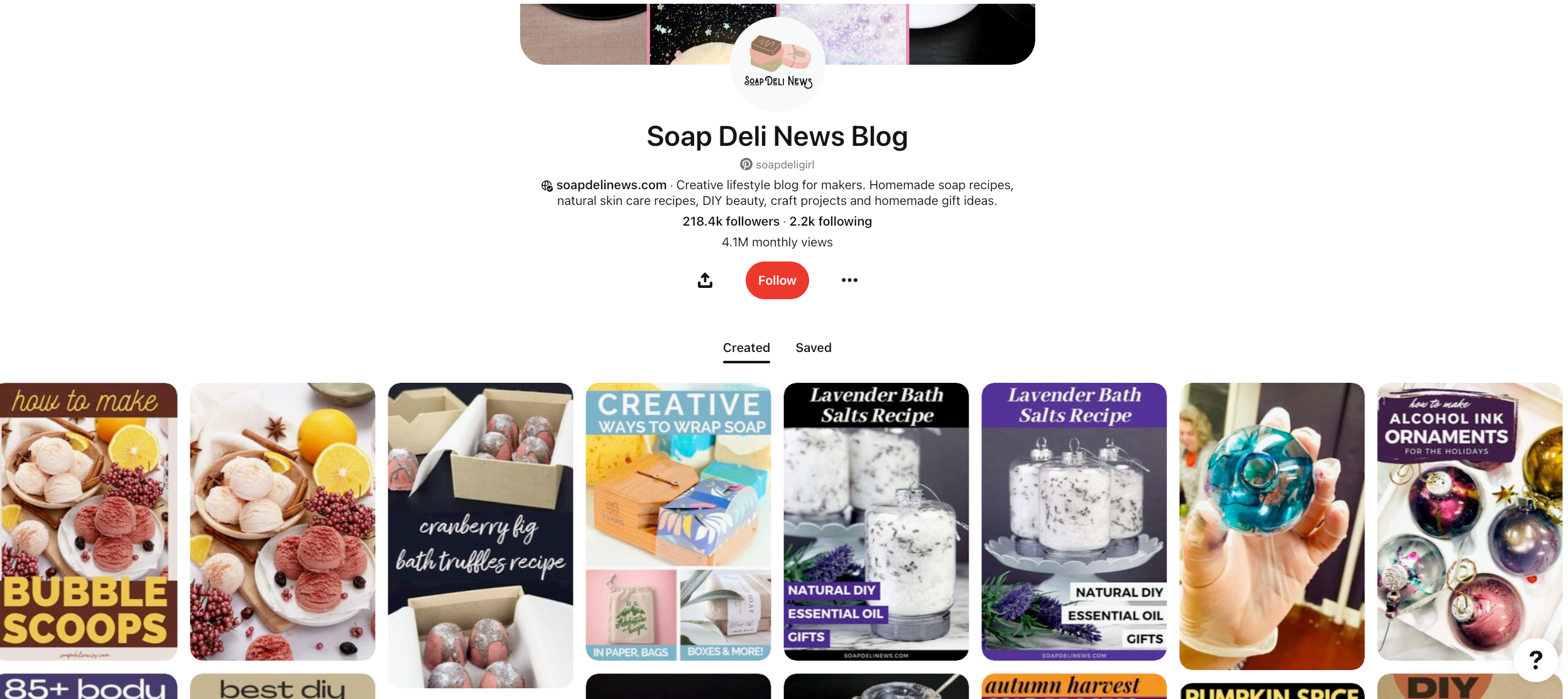
DIY crafts and projects is a creative, busy space on Pinterest: handmade decorations, homemade gifts and hobbies for every skill level. It appeals to crafters, hobbyists and anyone who wants a personal touch at home. “DIY crafts” alone gets about 18,100 US searches a month (Google Ads data, October 2026).
Why It’s the Best?
Crafters love to share tips and finished projects. There’s no end to the ideas, many users come to Pinterest specifically to learn a new skill, and it links naturally to online stores that sell supplies and kits.
4. Wedding Planning and Inspiration (e.g., Katherines Corner)
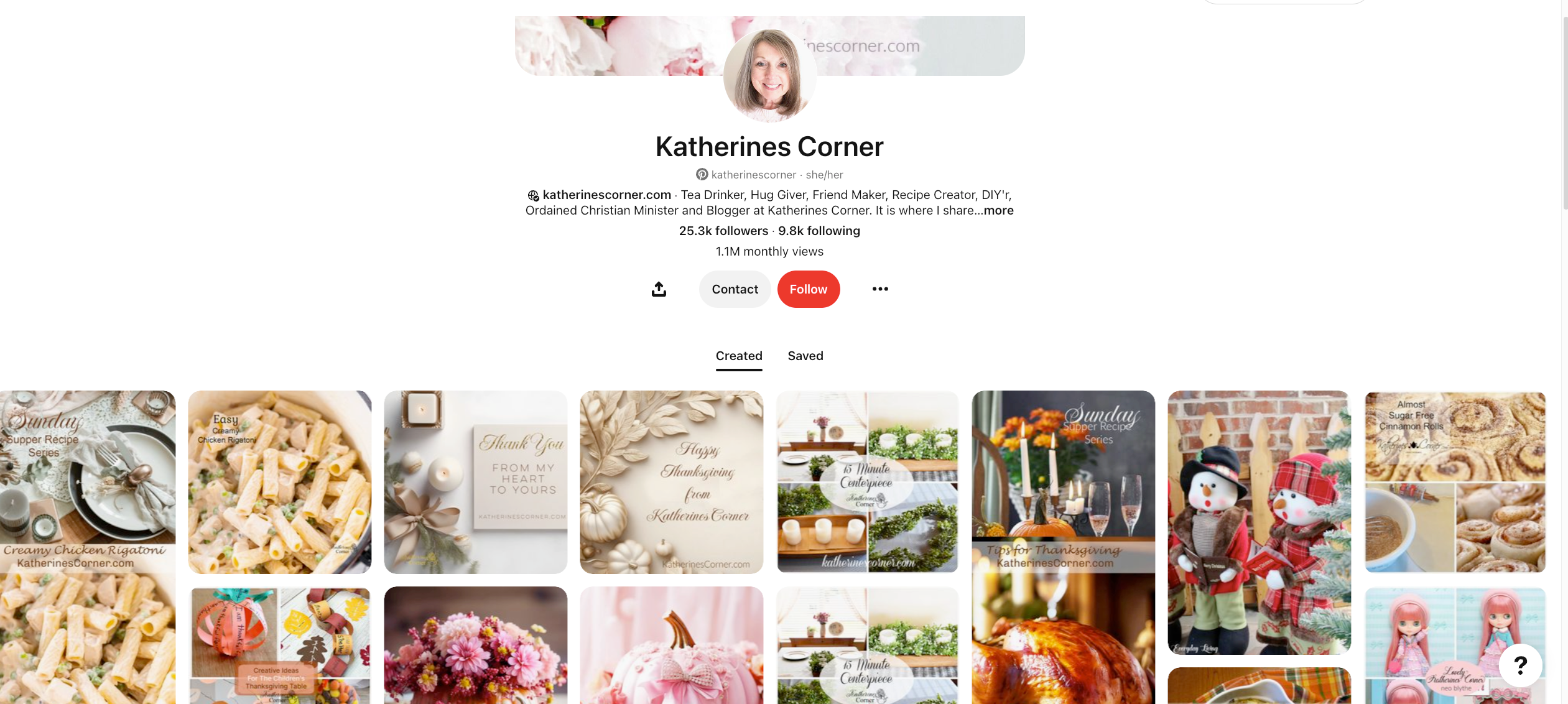
Wedding planning and inspiration is made for Pinterest. From dresses to venue decoration, it’s full of ideas for anyone planning their big day, or just dreaming about it. “Wedding ideas” gets about 9,900 searches a month in the US (Google Ads data, October 2026).
Why It’s the Best?
The images are rich and beautiful, and users save and come back to wedding boards again and again. It reaches brides, grooms, planners and dreamers, and wedding brands and services pay well for sponsorships and affiliate sales.
The Worst:
And these are the Pinterest niches with little potential:
1. Overly Technical Content
Pinterest is all about ideas, yet technical or complex topics struggle there. Most users want visual inspiration, not deep technical knowledge.
Why It’s the Worst?
Complex data and text-heavy pins don’t fit a visual platform. They reach a narrow audience, they’re rarely saved or shared, and it’s hard to turn technical information into an appealing image.
2. Generic Fitness Routines
Generic fitness routines with no specific angle get buried under more targeted fitness content on Pinterest.
Why It’s the Worst?
There are thousands of near-identical pins already. Without a specialty nobody picks yours, generic routines get little interaction, and Pinterest users usually look for something specific, like workouts for new moms or for small apartments.
3. Abstract Art and Concepts
Abstract art and very conceptual work have their place, but the Pinterest community leans toward practical, easy-to-understand content.
Why It’s the Worst?
The appeal is subjective and there’s no “how-to” for people to follow. Users don’t know what to do with an abstract concept, and it’s hard to fit into the categories people search for.
4. Corporate Branding and B2B Marketing
Corporate branding and B2B marketing tend to underperform on a platform built around personal inspiration and consumer products.
Why It’s the Worst?
Pinners look for ideas for their own life, not corporate messages. B2B pins get far less engagement than consumer content, the platform’s strength is individual inspiration, and corporate posts rarely spread.
The lesson from Pinterest: match your content to what people go there to do. A painter picks the right canvas, and you should pick the right niche for the platform.
Facebook Niches
Facebook is a different game again. Its audience is broad and older on average, and both personal and business content can do well there. Groups and community are the center of everything. Some niches grow naturally here, while others never gain traction.
Here’s what works on Facebook and what falls flat.
The Best:
The best Facebook niches are:
1. Local Community and Event Groups (e.g., EventProfs Mastermind for Event Planners)
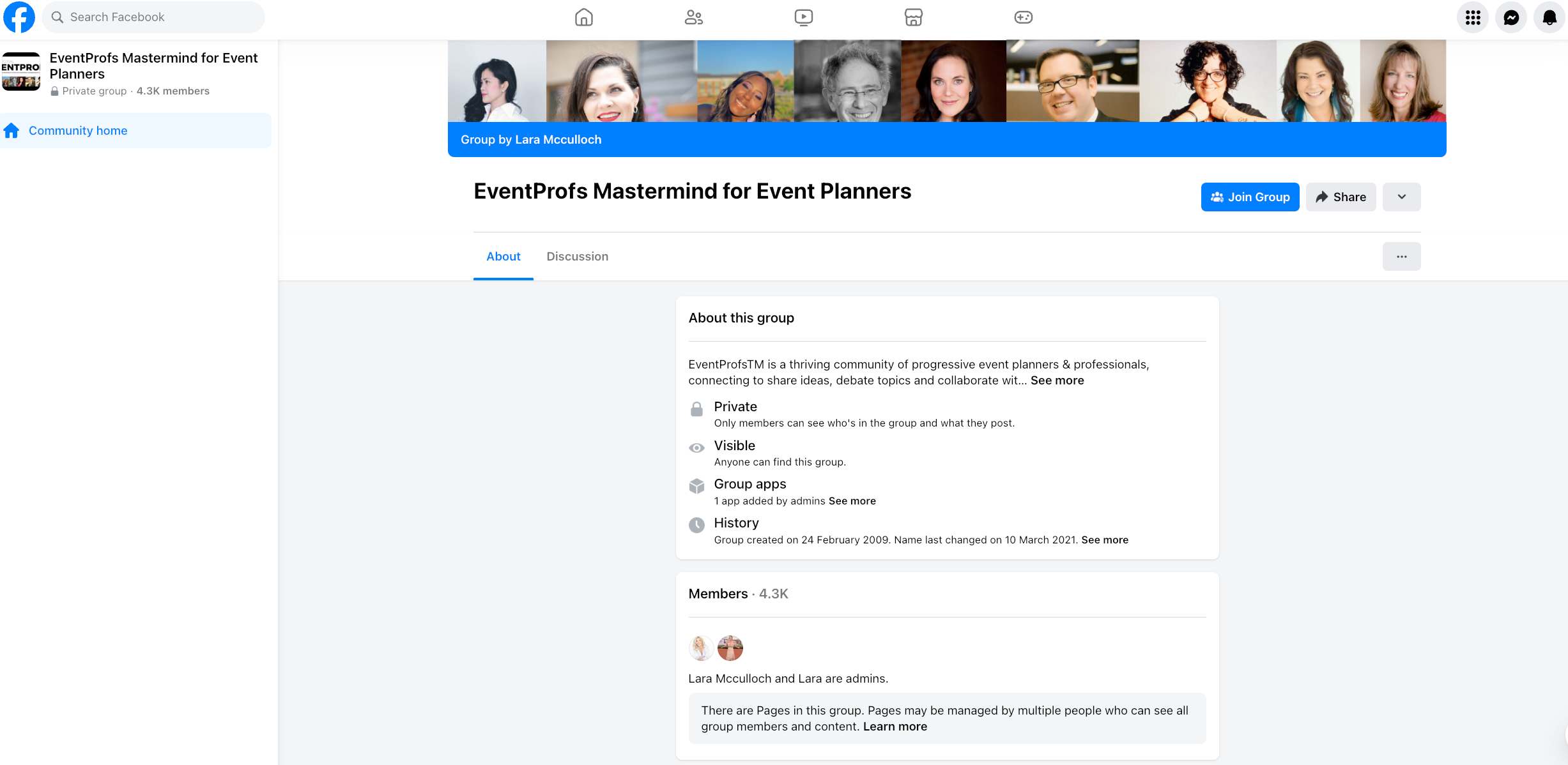
Local community and event groups are where Facebook still beats every other platform, thanks to its groups and event features.
Why It’s the Best?
They bring neighbors together and keep the community spirit alive. They’re the easiest way to spread the word about local events, the content matters to every member, and people meet others with the same interests or needs.
2. Niche Hobby and Interest Pages (e.g., Car Drawing by Floridi Diego)
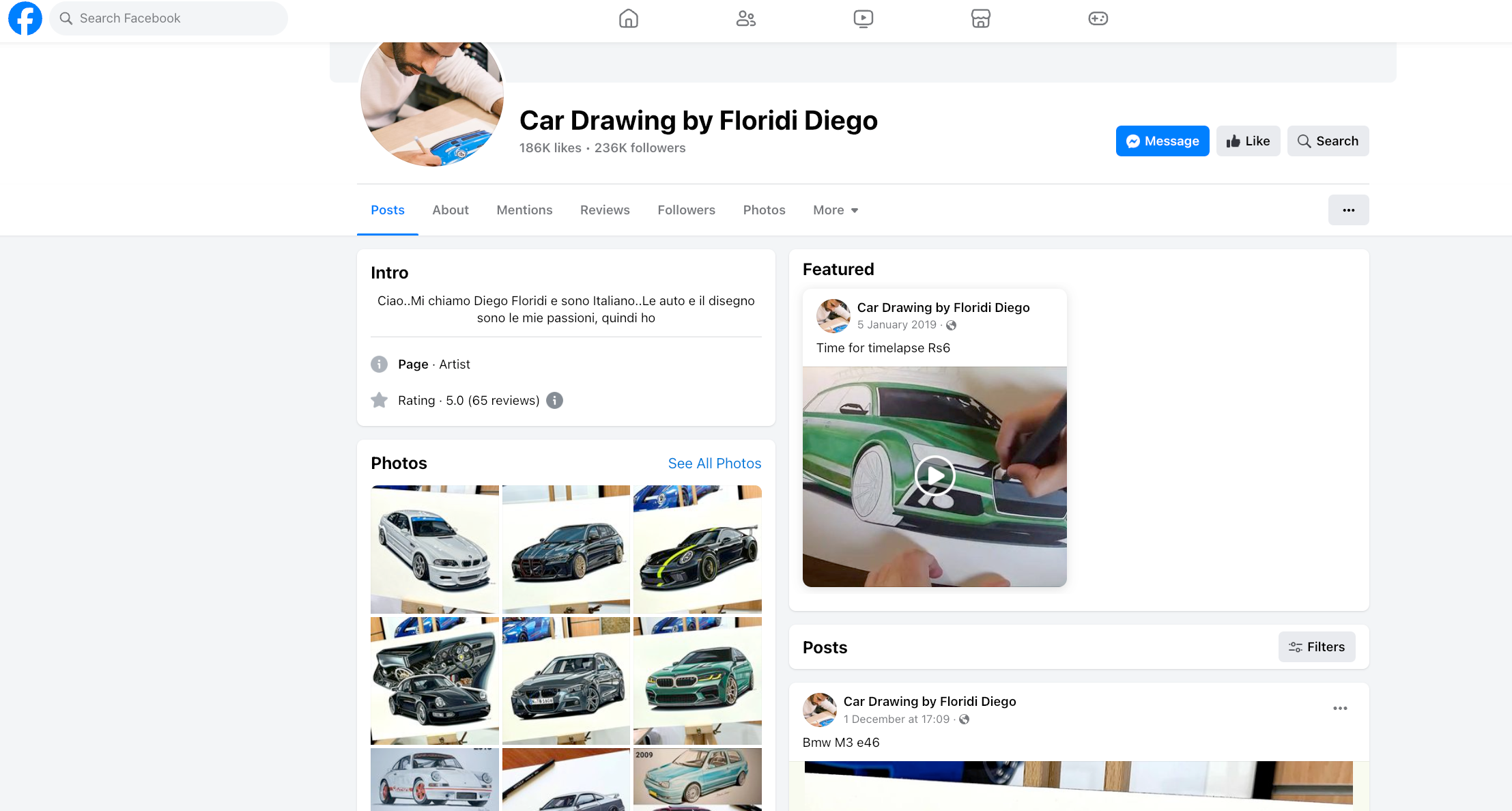
Pages about specific hobbies or interests find a loyal, passionate audience on Facebook.
Why It’s the Best?
They connect people who share a hobby, so members discuss, swap tips and post their own work. Retention is high because people care about the topic, and you can post anything from photos to long write-ups.
3. Educational Content and Support Groups (e.g., Cult Of Copy Job Board)
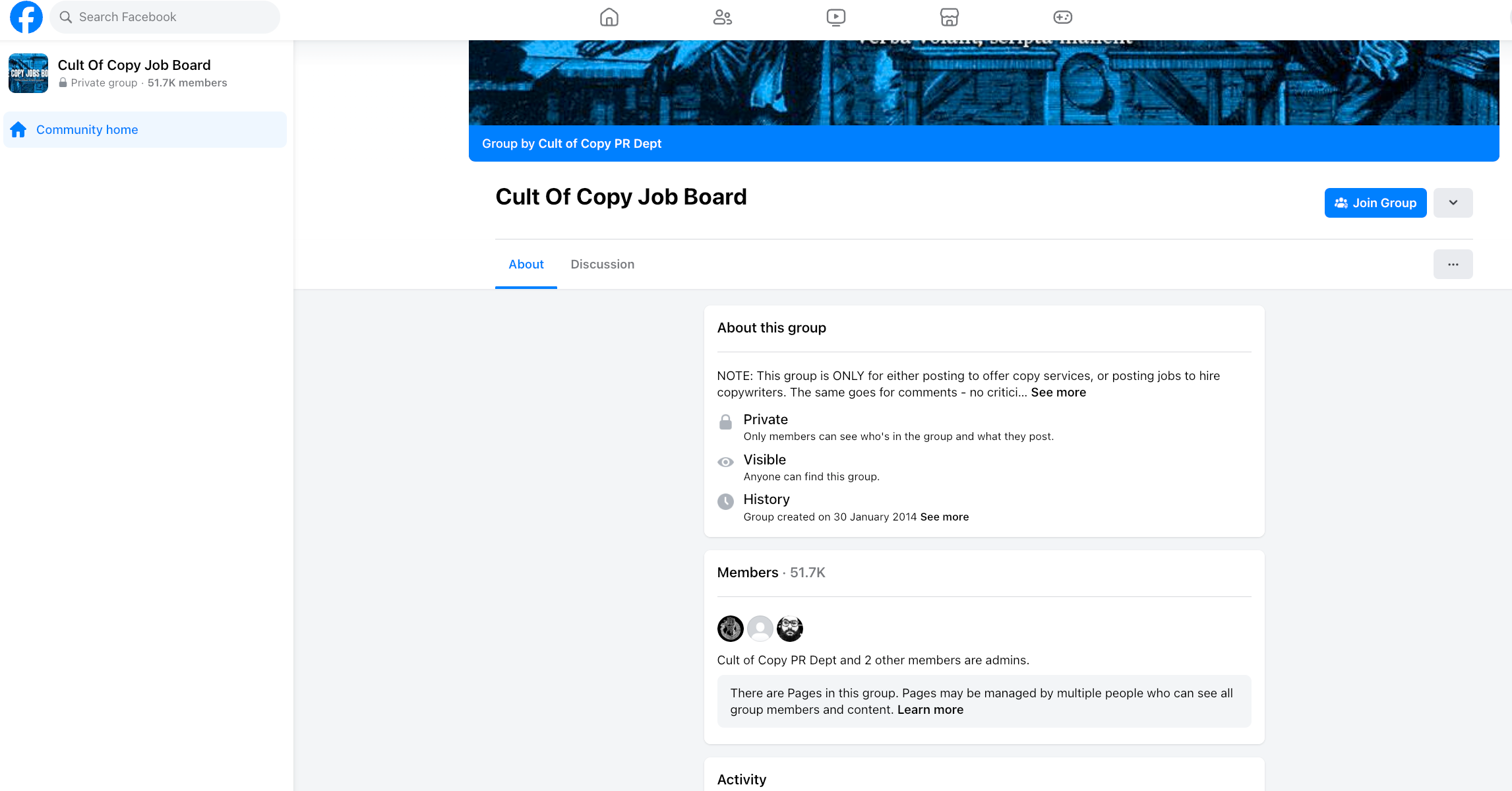
Educational content and support groups give people a place to learn and help each other, and Facebook users respond well to that.
Why It’s the Best?
Members share resources and materials, ask for advice and get support. These groups attract everyone from students to professionals, and every question becomes a discussion.
4. Business and Brand Pages (e.g., Budweiser)
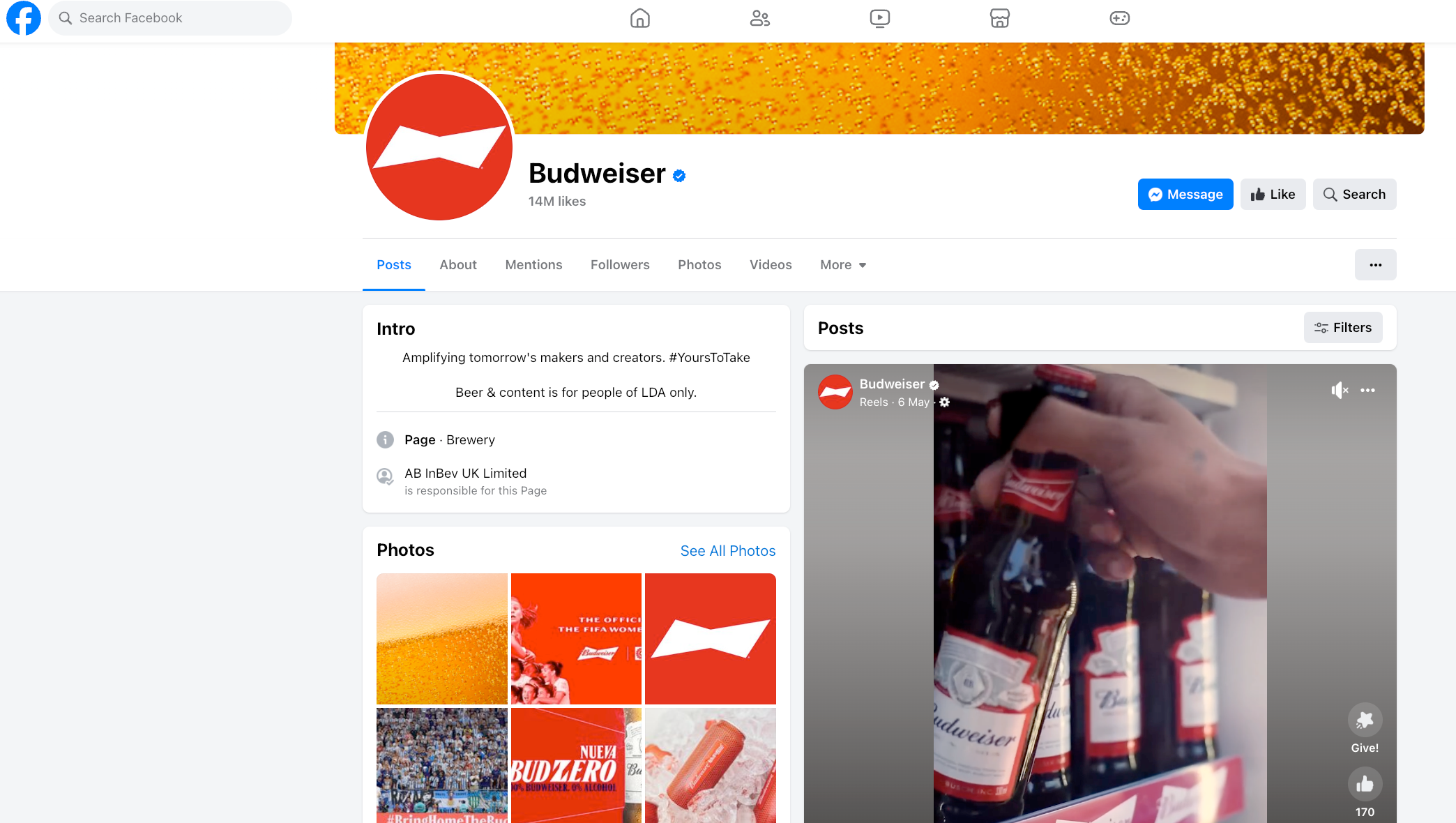
Business and brand pages, especially for small and local businesses, are still an effective way to reach customers on Facebook. I run a local SEO agency, and my view is simple: for a local business, an active Facebook page is one more place customers check before they pick up the phone.
Why It’s the Best?
A page gives you visibility and a direct line to customers for questions and feedback. It works for promotions and updates, you can even sell through Facebook Marketplace, and the insights show you who engages with what.
The Worst:
Now the worst Facebook niches:
1. Highly Specialized Academic Topics
Highly specialized academic topics struggle to engage Facebook’s broad audience.
Why It’s the Worst?
The audience is tiny and complex topics scare the average user away. The format isn’t great for in-depth academic discussion, and those posts get buried under content with wider appeal.
2. Overly Promotional Business Pages
Business pages that only push sales and promotions, without offering anything useful, turn Facebook users off.
Why It’s the Worst?
People come to Facebook to interact, not to read sales pitches. Too much promotion means fewer interactions and more unfollows, it erodes trust, and Facebook’s algorithm shows overly promotional posts to fewer people.
3. Politically Charged Content
Politically charged content divides people and often gets backlash or less reach on Facebook.
Why It’s the Worst?
Debates turn heated fast. You risk breaking Facebook’s community standards, you alienate part of your audience, and even when engagement is high, it’s rarely the kind you want.
4. Generic Motivational Quotes
Motivational quotes are popular, but generic, overused ones don’t stand out on Facebook.
Why It’s the Worst?
Everyone posts the same quotes, so nothing makes yours unique. Likes are easy but real engagement is rare, it’s hard to build a brand on content anyone could copy, and people don’t share what they’ve already seen ten times.
Facebook rewards community and useful content. What you post matters less than whether it brings your audience together.
TikTok Niches
TikTok is the fastest of them all. Trends start here, short videos rule, and the audience skews young. I used TikTok for my own accounts and for client accounts, and I’ve seen how the For You page can take a brand-new account from zero to thousands of views overnight if the niche and the hook are right.
Not every niche finds its footing, though. These are the best and worst niches on TikTok and the reasons they win or flop.
The Best:
The best TikTok niches with high potential are:
1. Dance and Music Challenges (e.g., Noel Robinson)
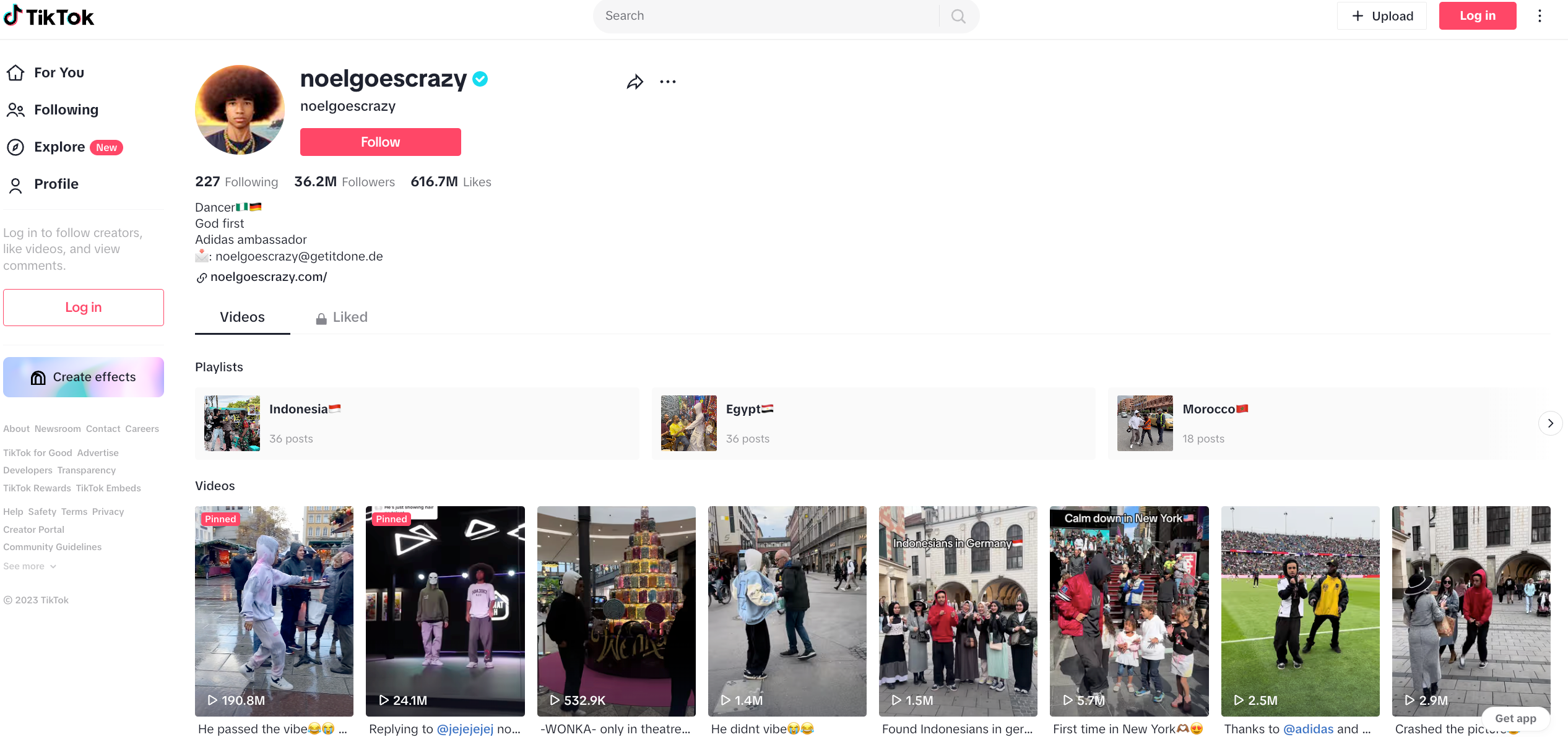
Dance and music challenges are pure TikTok, and they’re often the trends that go viral.
Why It’s the Best?
They can blow up in days. Users join in with their own versions, artists use them to promote songs, and anyone can take part regardless of skill.
2. Comedy and Skit Content (e.g., The McFarlands)
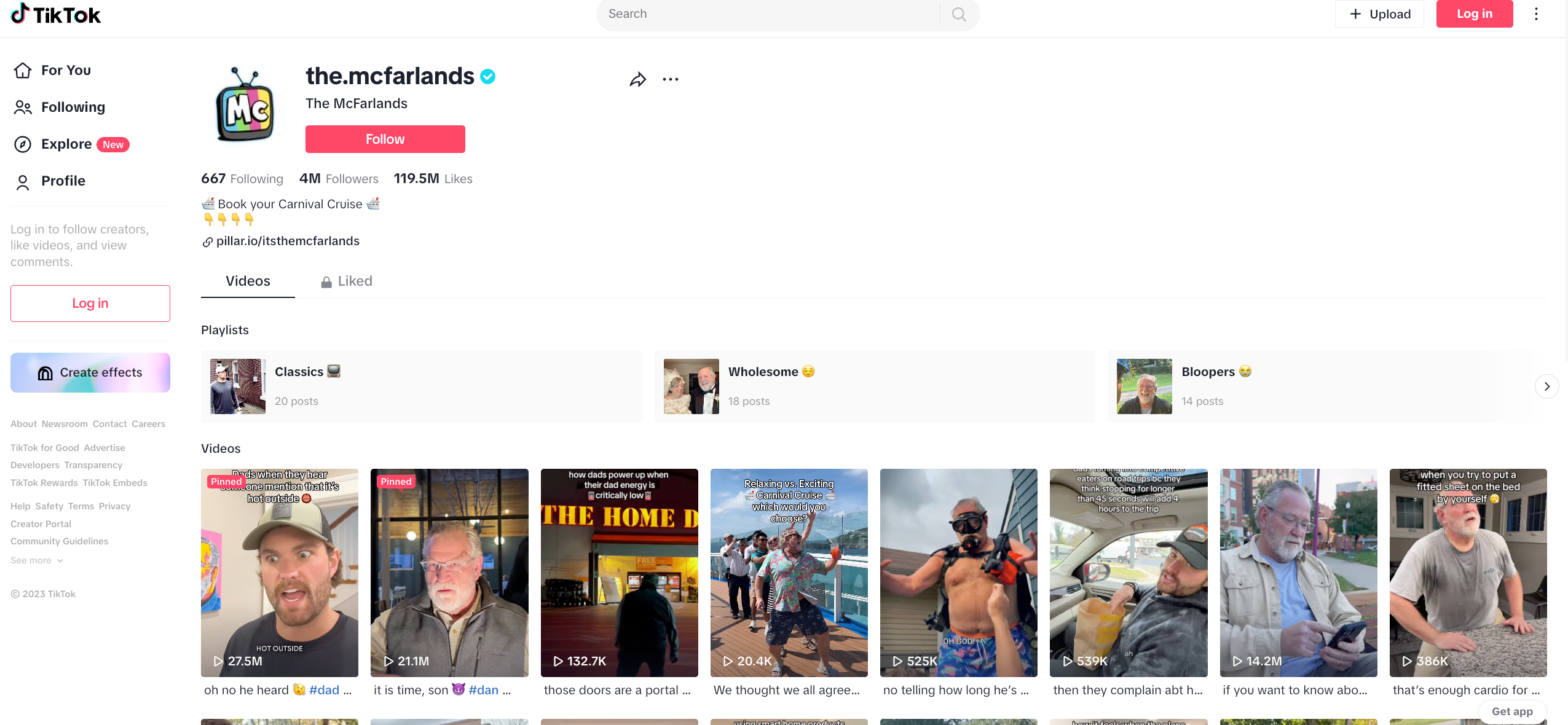
Short skits and comedy clips are a huge hit with TikTok’s fun-loving audience.
Why It’s the Best?
Laughter drives likes, shares and comments. You have total creative freedom, humor works across demographics, and funny videos get forwarded to friends more than almost anything else.
3. Beauty and Fashion Tips (e.g., Finlea Ryan)
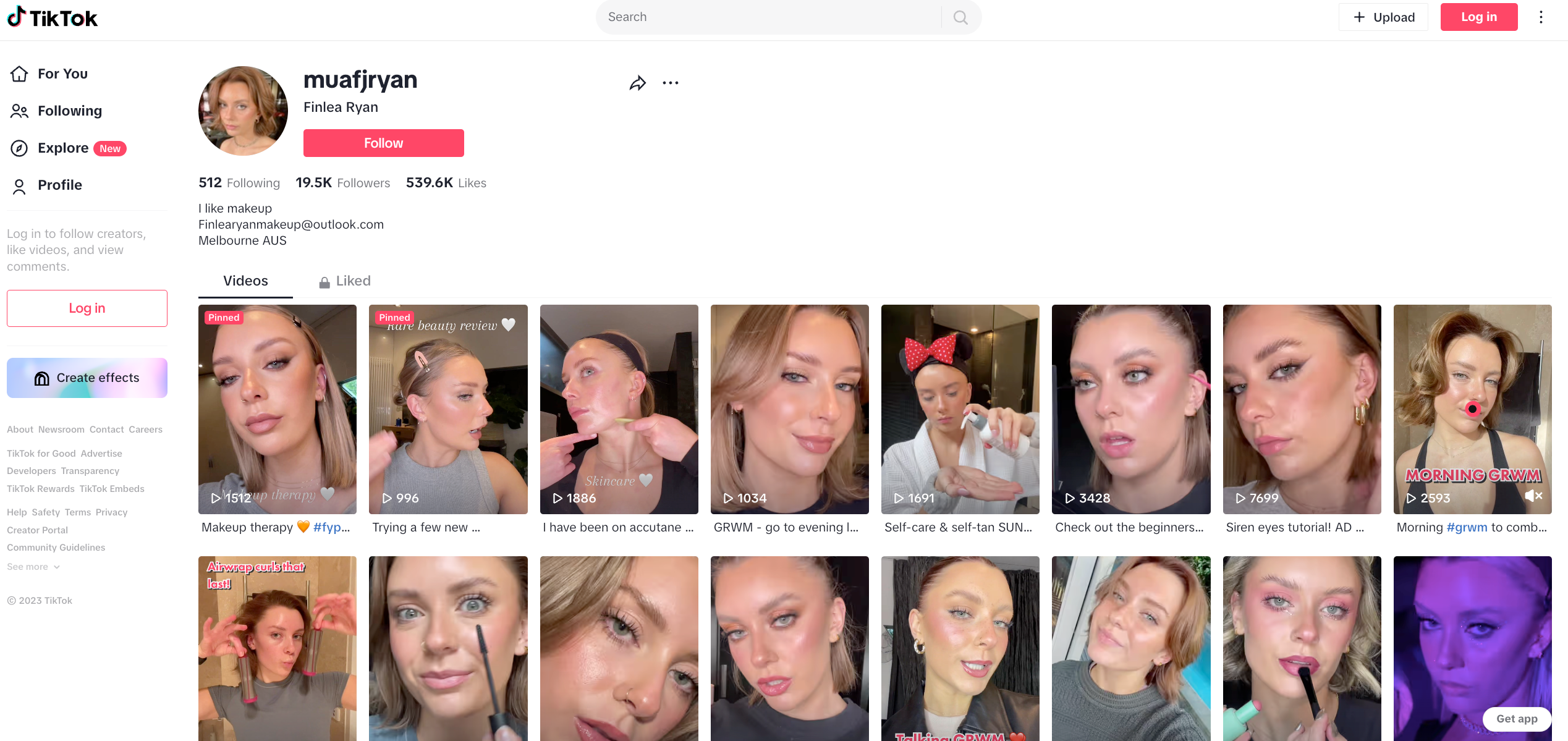
Among influencer niche ideas, beauty and fashion tips (quick tutorials, product reviews, outfit ideas) do especially well on TikTok.
Why It’s the Best?
The content is visual and fits the format perfectly. Interest stays high all year, creators get partnerships with beauty and fashion niche brands, and it’s where the latest styles and beauty niche hacks show up first.
4. DIY and Life Hacks (e.g., The Shk Facts)
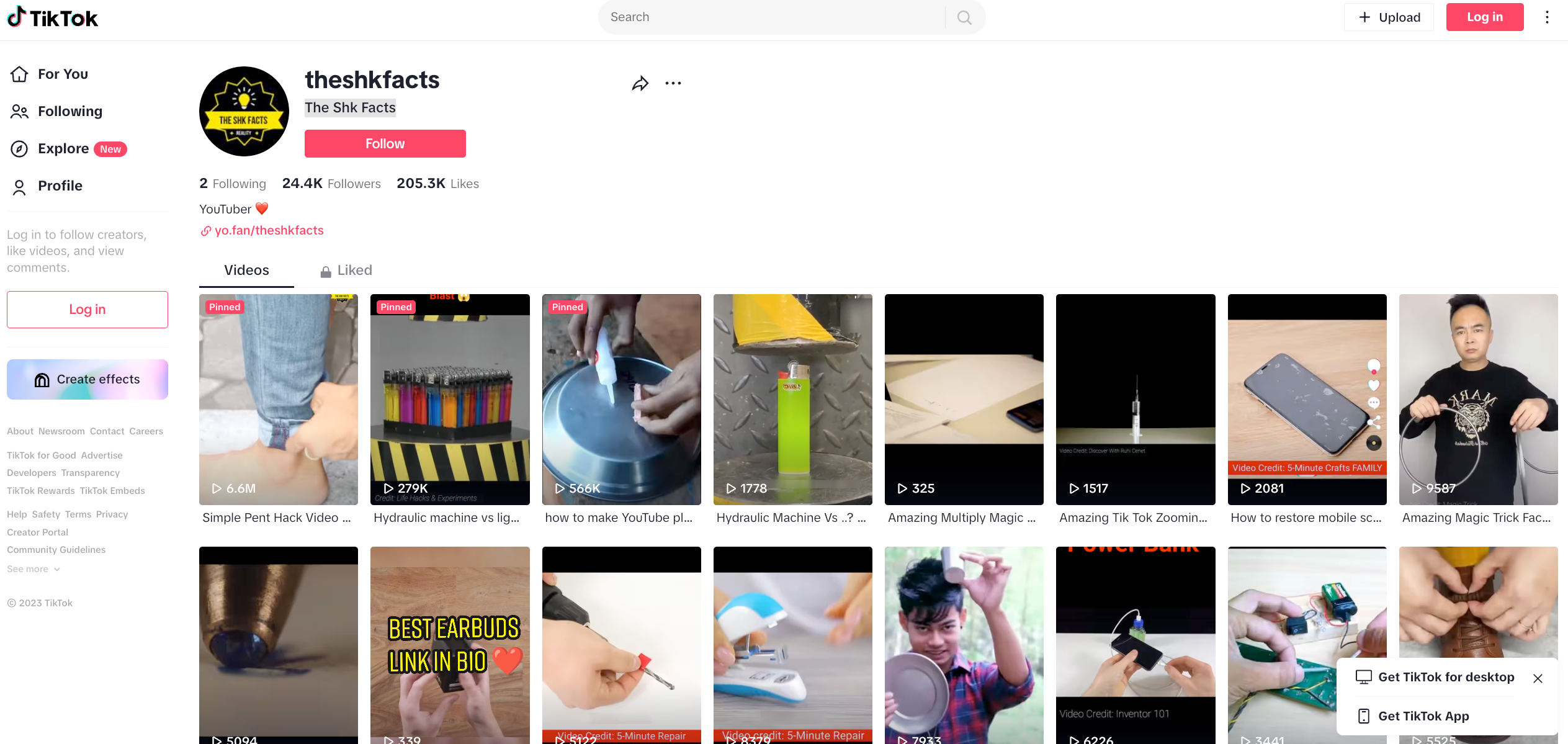
Clever DIY projects and life hacks win TikTok users over because they’re useful and creative. “Life hacks” gets about 9,900 US searches a month on Google too (Google Ads data, October 2026).
Why It’s the Best?
People try the tips and then share them. You get to show off your ingenuity, helpful videos collect likes and saves, and the topics are endless, from cleaning to cooking to tech.
The Worst:
On the other hand, these TikTok niches have little room to grow:
1. Overly Technical or Educational Content
Deeply technical or traditional educational content struggles on TikTok, where people scroll for entertainment and quick bites.
Why It’s the Worst?
Users want to be entertained, not lectured. Complex topics don’t fit in a short video, views and interactions stay low, and the younger audience doesn’t connect with very academic material.
2. Lengthy Storytelling or Vlogs
Long storytelling or vlogs fight against a platform built on bite-sized videos.
Why It’s the Worst?
Long stories don’t fit the format. Users prefer quick content, it’s hard to hold attention while people swipe, and shorter clips get shared far more.
3. Overly Niche or Obscure Topics
Extremely niche or obscure topics have a hard time finding enough people on TikTok.
Why It’s the Worst?
Only a small group cares about them, so engagement stays low. The videos rarely reach most users’ For You pages, and the chances of going viral are slim.
4. Heavy and Serious Themes
Heavy or serious themes don’t sit well on TikTok, where most users want light, entertaining content.
Why It’s the Worst?
The mood of the platform is upbeat and fun. Serious topics get less engagement, they don’t match what the younger audience wants, and they rarely go viral next to lighthearted videos.
Looking at the niches on TikTok reveals what the platform loves: fast, engaging, visual content. Figure out what your TikTok audience responds to and you can make your mark.

Pro tip: How Do I handle several platforms efficiently?
Running content on several platforms at once is a juggling act, right? Between coming up with fresh ideas and trying to be everywhere, it gets overwhelming fast. That’s where social media management tools come in.
They plan your content, publish at the right time and show you what’s working. You save hours, and you spend them on creating instead of copying and pasting the same post into five apps. Social media managers know this well: in the US, “social media scheduling tool” gets about 2,900 searches a month and a CPC of $25.82 in Google Ads (October 2026), which tells you how much these tools are worth to businesses. And if you’re a manager looking for social media management niches, local businesses are a good place to start. They need a steady presence and rarely have time to post themselves.
These are the features worth looking for in a management tool:
- Content scheduling and planning
- Analytics and performance metrics
- A visual content calendar
- Hashtag suggestions
- Managing several platforms from one place
- Tools for user-generated content
The one we recommend is Publer.io (affiliate link: we earn a commission if you sign up, at no cost to you). It covers scheduling and analytics for all the platforms in this guide, so you can plan a week of posts in one sitting and see which ones your audience actually likes. It’s also simple to use, which matters when you’re the one doing everything.
Don’t take our word for it, though. Here’s what users say about it on Trustpilot:
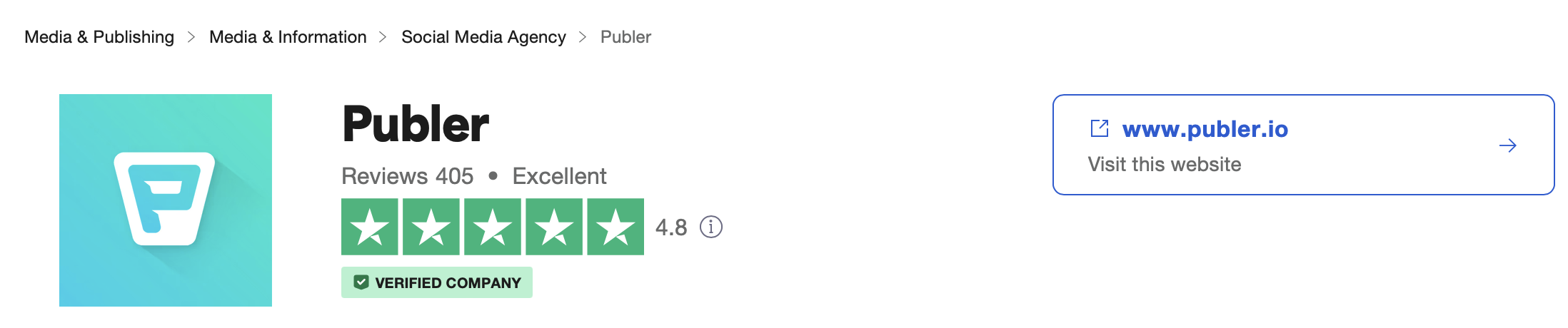
If it looks like a fit, you can check their features and prices here.
Wrapping It Up: Your Social Media Niche Guide
That’s the tour of social media niches, platform by platform, and of the most profitable niches on each one. From educational content on YouTube to dance challenges on TikTok, every platform has its own sweet spot.
If you only remember one line per platform, make it this one:
- On YouTube, go for education, tech, health and fitness, or travel.
- On Instagram, travel photography, fashion, food and fitness journeys work best.
- Pinterest favors home decor, healthy recipes, DIY crafts and wedding planning.
- Facebook is ideal for local communities, hobby groups, educational groups and business pages.
- TikTok shines with dance and music challenges, comedy, beauty and fashion tips, and DIY hacks.
- Skip any niche that fights against what the platform and its audience are there for.
Who shouldn’t follow this list blindly? Anyone who can’t post consistently for at least a few months. A good niche won’t save an account that goes quiet. My advice: pick one platform and one niche from the lists above, post for 90 days and look at the numbers before you add a second platform. And if you’d rather stay off camera, have a look at faceless niches versus traditional niches before you decide.