

Big marketplaces like Amazon sell almost everything to almost everyone. Niche marketplaces do the opposite: they bring together buyers and sellers around one specific category, and that focus is exactly why they work.
In this guide I’ll explain what a niche marketplace is, why it can beat a general one, how to build your own step by step, and 14 real examples you can learn from.

What is a niche marketplace?
A niche marketplace is an online platform where multiple sellers offer products or services to one specific audience or category, instead of trying to appeal to everyone. Think of a general marketplace as a department store and a niche marketplace as a specialist shop: fewer products, but the right ones, sold by people who know the subject.
Most successful niche marketplaces share a few traits:
- Specialized offer. Products or services that are hard to find elsewhere, or that need expert knowledge to buy well.
- A clearly defined audience. Buyers with a shared interest, profession or need.
- Expertise and trust. Curation, verification or authentication that general platforms don’t offer.
- Community. Buyers and sellers who share an interest tend to talk, review and come back.
- A tailored experience. Search filters, listing fields and support designed for that one category.
If you want to go deeper into the concept of niches first, read my guide on what a niche market is.
Why niche marketplaces work
- Buyers find what they want faster. Filters and categories are built for one type of product, so searching is easier.
- Higher trust and quality. When a platform focuses on one category, it can vet sellers and listings properly. That matters for expensive or specialist items.
- Better service. Support teams and sellers understand the product. Try asking a detailed question about a vintage synthesizer on a general marketplace and you’ll see the difference.
- Less competition for sellers. Sellers reach buyers who are already interested in what they offer, instead of competing with millions of unrelated listings.
Niche marketplaces today
Amazon started as an online bookstore in the 1990s and grew into a marketplace for almost every category. It also popularised features that niche platforms still rely on today, such as customer reviews and personalised recommendations.
The opportunity for smaller players is that a general platform can’t serve every audience equally well. That’s why specialist platforms keep appearing in categories the giants serve poorly.
These days, you can find niche marketplaces for pretty much anything. Even auto sellers have some very well-established online spaces. If you live in or happen to be traveling to the Emirates, for example, you can easily rent a car in Motor City from Renty´s website. This is a good example of a niche marketplace, especially in the automobile niche.
How to create a niche marketplace

Building a marketplace is harder than building a store, because you need both sellers and buyers at the same time. These are the steps I’d follow.
Step 1: Find your niche
Look for a niche that:
- You know well or care about. You’ll need to understand what buyers and sellers want better than a general platform does.
- Has enough demand. Check search volume and existing communities to make sure the audience is big enough to sustain a business.
- Is underserved. If buyers currently struggle to find, compare or trust products in that category, there’s room for you.
Validate the idea by talking to potential buyers and sellers before you build anything. My step-by-step niche research guide walks you through the whole process.
Step 2: Choose your business and monetization model
First decide who trades with whom:
- B2B: businesses selling to other businesses (for example, wholesale).
- B2C: businesses selling to consumers.
- C2C: individuals selling to each other (for example, second-hand goods).
Then decide how the marketplace earns money. The most common options are a commission per transaction, listing fees, seller subscriptions, featured listings or ads, and buyer memberships. Many marketplaces combine two or three of them. Commission-based models are usually the easiest to start with, because sellers only pay when they make a sale.
Step 3: Choose a platform
You have two main routes:
- Marketplace software (SaaS or self-hosted). Faster and cheaper to launch, with the core features already built.
- Custom development. Maximum flexibility, but it costs more and takes longer. It usually makes sense only after you’ve proven there’s demand.
Some popular options to research:
- Sharetribe: popular for peer-to-peer and service marketplaces.
- Arcadier: marketplace builder for goods, services and rentals.
- Marketcube: marketplace and dropshipping software for retailers.
- CS-Cart: self-hosted multi-vendor ecommerce software.
- Adobe Commerce (Magento): a heavier, self-hosted option for large projects with a development team.
Compare them on price, transaction fees, payment options, how sellers onboard, and how easy it is to customise search and listings for your niche.
Step 4: Define the key features
At a minimum, your marketplace needs:
- Detailed listings with good photos and the fields that matter in your niche (size, condition, year, compatibility…).
- Search and filters built around how your buyers actually shop.
- Secure payments and a clear payout process for sellers.
- Shipping or booking rules that fit the product or service.
- Messaging between buyers and sellers.
- Reviews and ratings, because trust is what a marketplace really sells.
- A mobile experience that works, since a large share of shopping happens on phones.
Step 5: Recruit your first sellers
A marketplace without inventory has nothing to offer buyers, so start with the supply side:
- Give sellers a clear reason to join: lower fees, a more targeted audience, or tools the big platforms don’t offer.
- Make listing and managing orders simple.
- Hand-pick your first sellers. Look in forums, trade associations, social media groups and other marketplaces where your niche already gathers, and contact the best ones personally.
- Be selective. A few trustworthy sellers are better than many unreliable ones, because one bad experience reflects on the whole platform.
Step 6: Launch a minimum viable product
Before investing in a full build, launch a minimum viable product (MVP): a simple version with only the essential features. Use it to test whether buyers and sellers actually transact, collect feedback, and fix what doesn’t work. Off-the-shelf software such as CS-Cart or Sharetribe is often enough for this stage.
Step 7: Market to buyers and sellers
You need a plan for both sides of the marketplace:
- Define both audiences. Who are your ideal buyers and sellers, where do they spend time online, and what problem do you solve for each?
- Pick one or two channels and do them well. SEO and content work well for niche marketplaces because buyers search for specific products. Communities, partnerships and email are also strong.
- Use launch incentives. Reduced seller fees for early vendors, referral rewards for buyers, or contests centred on your niche.
Step 8: Build community and grow
Niche marketplaces win on community. Feature your best sellers and their stories, publish useful content for your audience (guides, tutorials, a newsletter), answer support questions quickly, and give users ways to interact beyond buying and selling.
Once the marketplace works for your first audience, you can grow into new regions or neighbouring categories. Do the market research again for each new segment and adapt shipping, payments and promotions to it.
14 niche marketplace examples
These platforms show how a narrow focus can turn into a strong business. Some started small and grew; others still serve a single, well-defined audience.
1. Etsy
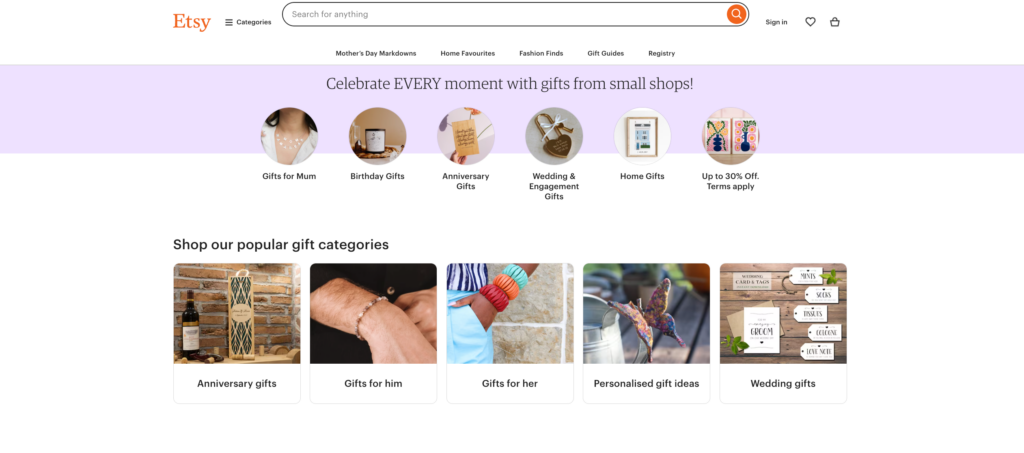
- Niche: handmade goods, vintage items and craft supplies.
Etsy is the best-known example. Its strength is its community of independent makers and buyers who want products that aren’t mass-produced. Competition between sellers is high today, but the platform still shows how powerful a clear niche can be.
2. Creative Market
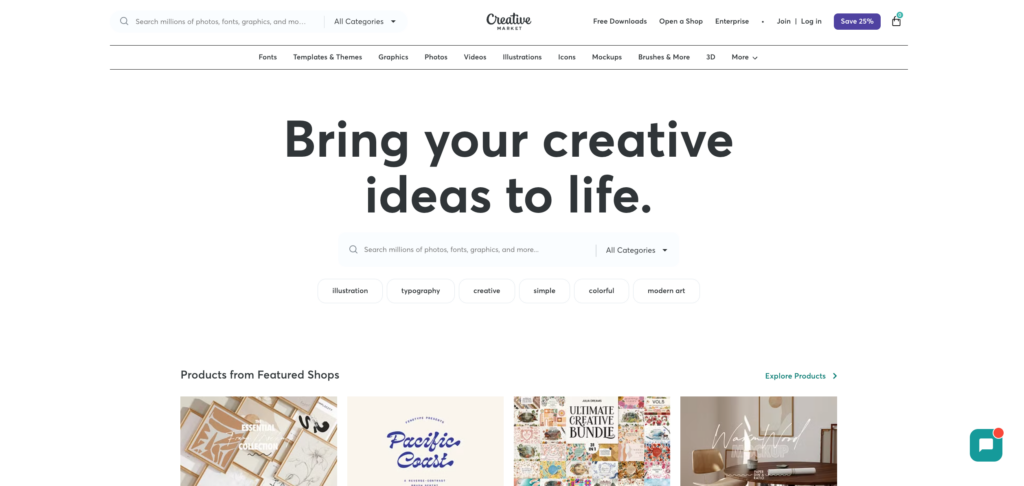
- Niche: digital design assets such as fonts, graphics, templates and themes.
Creative Market serves designers, marketers and social media managers who need ready-made assets for their projects.
3. Faire

- Niche: wholesale for independent retailers and makers.
Faire connects independent shops with small brands, helping retailers stock products they won’t find in big-box stores.
4. Grailed

- Niche: high-end menswear, streetwear and designer fashion.
Grailed focuses on buyers looking for designer and limited-edition pieces, where curation and authentication give buyers the confidence to spend more.
5. TPT (Teachers Pay Teachers)
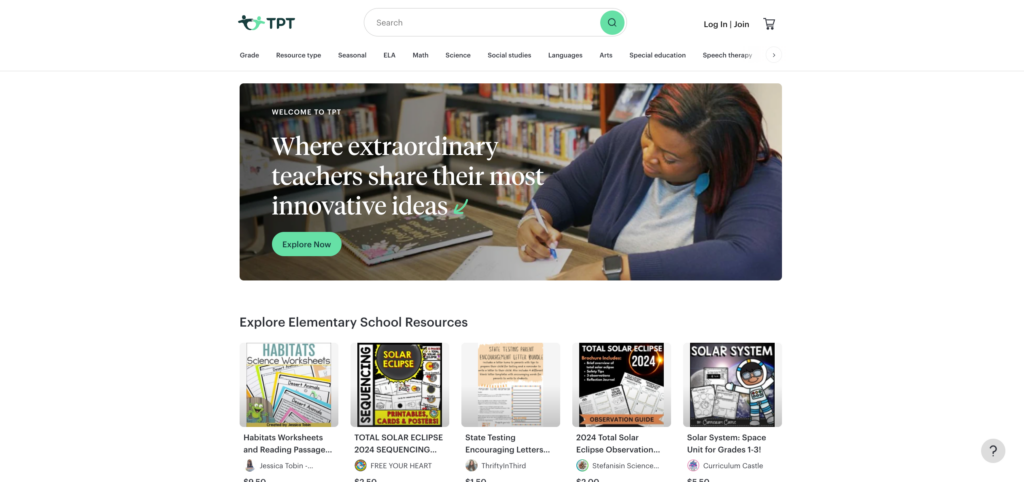
- Niche: educational resources created by teachers, for teachers.
TPT lets teachers sell the lesson plans, worksheets and activities they create, and saves other teachers preparation time.
6. Chairish
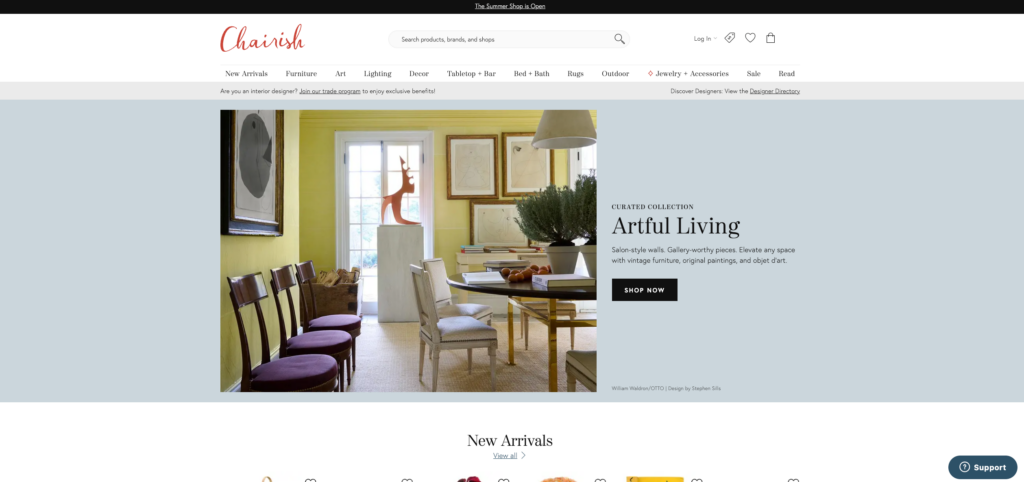
- Niche: vintage furniture, art and home decor.
Chairish curates one-of-a-kind pieces for buyers who want something with character for their home.
7. Society6
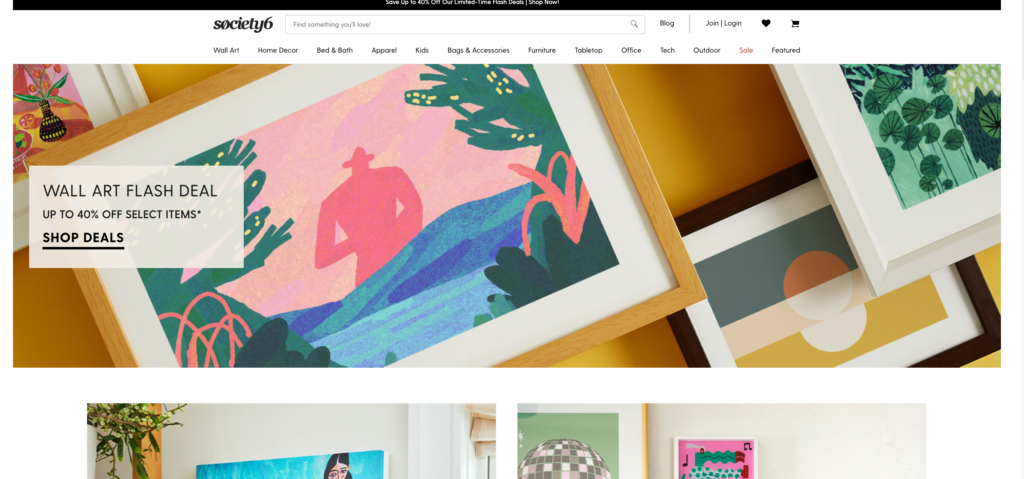
- Niche: products featuring designs by independent artists.
Society6 lets artists sell their designs on prints, home decor and accessories without managing production themselves.
8. Depop
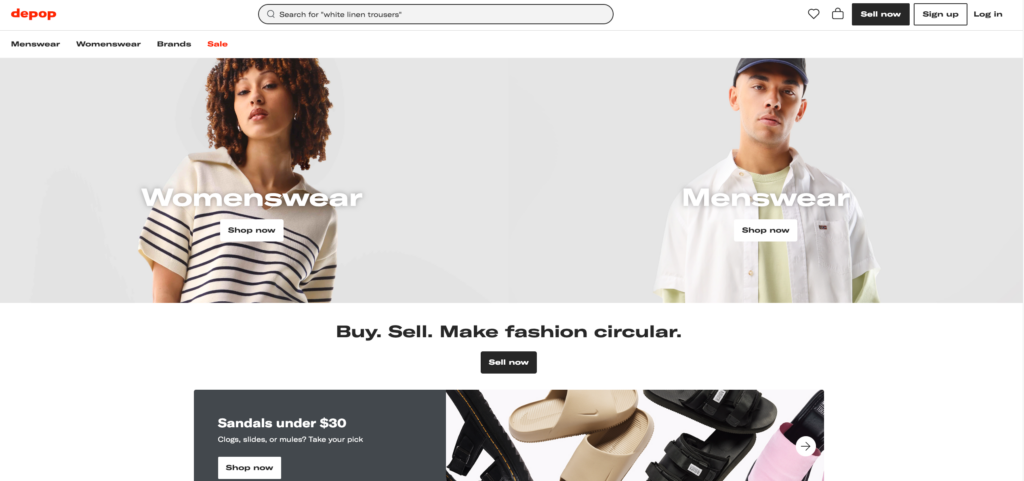
- Niche: second-hand and vintage fashion with a social shopping feel.
Depop is popular with younger shoppers looking for unique pieces, and its social features make browsing feel closer to a feed than a catalogue.
9. Poshmark
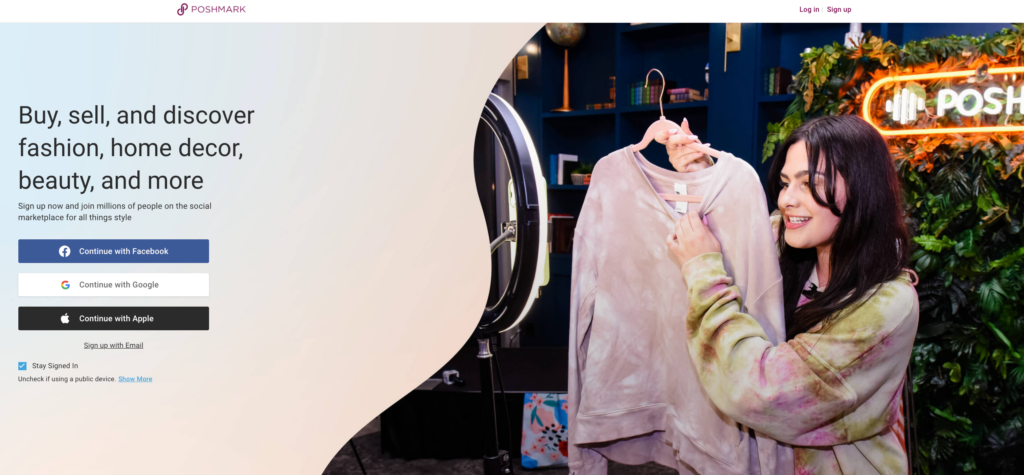
- Niche: second-hand clothing, shoes and accessories.
Poshmark makes it easy to sell what’s in your closet, with social features that encourage users to follow and share each other’s listings.
10. Bring a Trailer
- Niche: classic, vintage and collector cars.
Bring a Trailer runs online auctions for enthusiast vehicles. Detailed listings, lots of photos and an active comment section from knowledgeable buyers make it very different from a general car classifieds site.
11. Reverb
- Niche: new, used and vintage musical instruments and gear.
Reverb serves musicians buying and selling guitars, synths, drums and studio equipment, and adds content like gear news and guides for its community.
12. Houzz
- Niche: home remodeling and design.
Houzz combines a directory of home professionals with inspiration photos and a shop, so homeowners can plan a project, find a pro and buy products in one place.
13. Fiverr
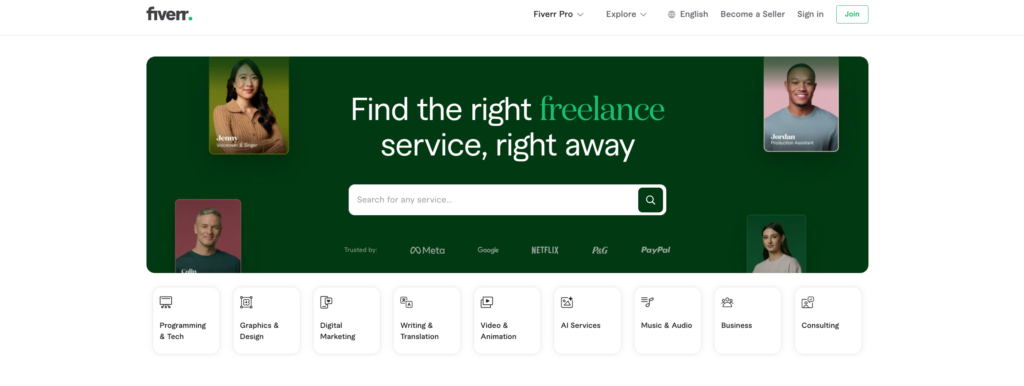
- Niche: freelance services, from design and writing to marketing and development.
Fiverr made it easy for small businesses to hire freelancers for well-defined tasks, with clear packages, prices and reviews.
14. Booking.com
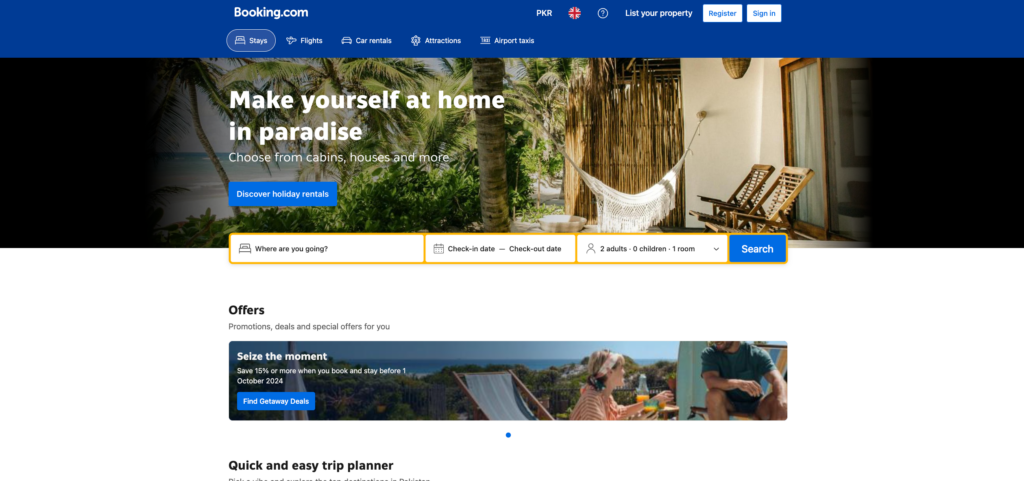
- Niche: travel accommodation.
Booking.com focuses on one thing, places to stay, with detailed filters, reviews and photos. It’s huge today, but it shows how far a single-category marketplace can go.
Niche marketplace ideas
If you’re looking for inspiration, these are areas where specialist platforms can still add value over general ones:
- Travel planning experts. Booking sites sell tickets and rooms, but few connect travellers with specialists for complicated trips (visas, multi-country routes, accessibility needs).
- Fitness and wellness coaches. A curated platform where people can compare qualified coaches by goal, schedule and budget.
- Local services in a single trade. For example, a marketplace just for piano tuners, bike mechanics or aquarium maintenance.
- Second-hand specialist equipment. Photography, climbing or medical-grade mobility equipment, where buyers need detailed condition information.
- Digital products for one profession. Templates, checklists and tools for a specific job, following the TPT model.
FAQ
What is the difference between a niche marketplace and an online store?
An online store sells its own products. A marketplace connects many independent sellers with buyers and usually earns a commission or fee on each transaction.
How do niche marketplaces make money?
Mostly through commissions on sales, plus listing fees, seller subscriptions, promoted listings or buyer memberships.
Is it expensive to build a niche marketplace?
It doesn’t have to be. Marketplace software lets you launch a minimum viable product at a fraction of the cost of custom development, and you can invest more once you’ve proven demand.
What is the hardest part of starting a marketplace?
Getting the first sellers and buyers at the same time. Most founders start by recruiting a small group of quality sellers by hand, then focus on attracting buyers once there’s enough inventory.
Final thoughts
Niche marketplaces work because they serve one audience better than a general platform can. If you know a niche well, understand what its buyers struggle with and can gather trustworthy sellers, building a marketplace around it can be a solid business. Start small, validate with an MVP, and grow with your community.
Still choosing your niche? Browse these niche market examples or explore the niche marketing hub.